
Service Areas
Addiction and Mental Health Disorder Intervention Services in Delaware



Interventionists In Delaware
In Delaware, families facing addiction and mental health challenges often struggle to know when to step in. Family First Intervention helps families take action with a structured and effective intervention process.
Our S.A.F.E.® program focuses on long-term family recovery and sustainable change.


With the Help of Our S.A.F.E.® (Self Awareness Family Education™) Addiction and Mental Health Intervention Services, Families in Delaware do not have to Wait for their Loved One to Want Help or Hit Bottom.
The two number one predictors of outcomes in addiction and mental health treatment are the client-counselor relationship and the environment. The environment is where the person is either comfortable or uncomfortable. The second stage of change in addiction and mental health treatment is the contemplation stage. In this stage, the person must see and feel the need to do something different before they move on to the following three stages. So, how does this tie together? The answer is simple. When the environment is conducive to allowing the intended patient to stay the same, then they will. The environment is rarely, if ever, comfortable solely in the hands of the one who needs help. The family almost always makes the environment comfortable. If the family allows the problem to hang around, the person will not see the need to address the issue. You’re not there if you can’t see or feel the bottom. You need to see a problem before you ask for help or want help.
Before psychologically dissecting what was said above, there are many ways to keep the environment comfortable while putting blinders on the one who needs help. The ways can be obvious, enabling cosigning to the problem and not taking adequate measures to correct the problem. Families tell us every day that they have done everything. By the end of the call or session, they realize they have not only done nothing, but they have done nothing that would bring their loved one any closer to getting better. The reason is that they tried to address the problem and not the environment. The only control people have is control over themselves, and some are incapable of doing that. If a family can’t control their own lives because of the emotional and mental heartache of their loved one’s addiction or mental health, how can they assume they can maintain their loved one? Families want to believe they have some control and do so with themselves and the environment, not directly over the person who needs help.
People with addiction and mental health issues are not going to ask for help, want help, or hit bottom when their environment is preventing them from doing so. People will not address a problem they do not believe they have. From the family standpoint, the best thing a family can do is hold themselves and their loved ones accountable for their actions. Your loved one will never learn to do something different, and you will not know that you must let them feel the consequences of their actions.
Family First Intervention
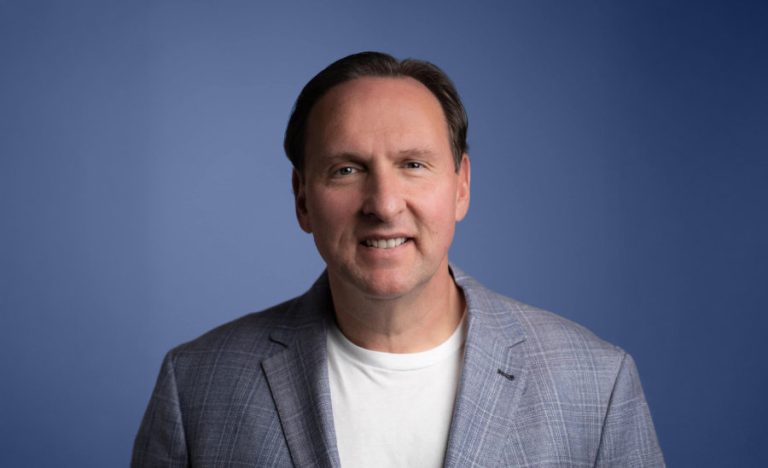
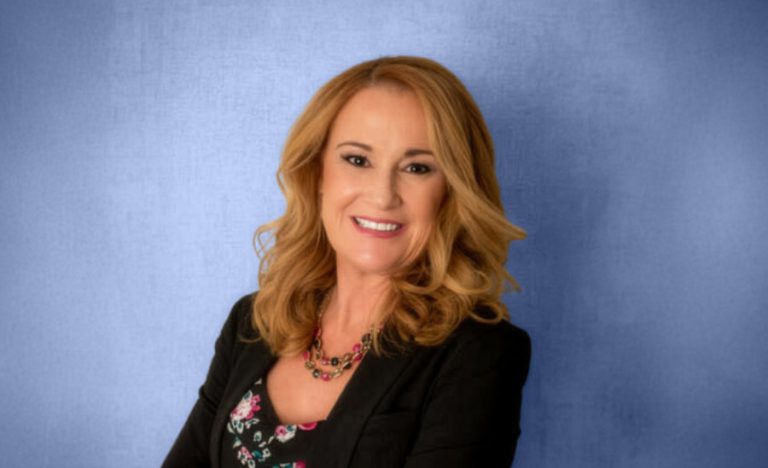
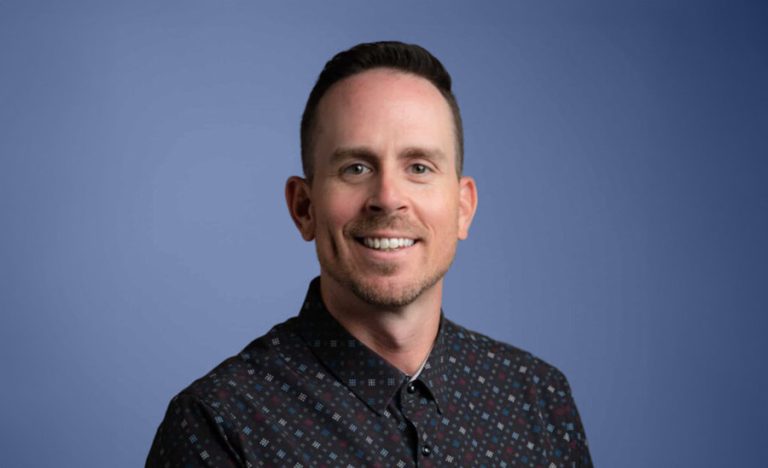
Meet Our Experienced Addiction and Mental Health Intervention Counselors


What Families in Delaware can expect from our S.A.F.E.® Addiction and Mental Health Intervention Services.
Families in Delaware and elsewhere can expect to have to do the work, too. The greatest mistake we see families make is believing that the only thing that needs to change is their loved one. This belief is responsible mainly for continued failed attempts at treatment, frustration, and loss of hope on behalf of the family. What families expect from their loved ones is what they must do. In our S.A.F.E.® Addiction and Mental Health Intervention Services program, we help families understand how they got here and why. Through psychoeducation and ongoing coaching, families will know why they have received the results. Families can also expect to see why they acted the way they did and what benefit it provided them. The problem may not be the family’s fault, and how they have addressed the issue often is.
Living as an emotional hostage to a loved one with addiction or mental health issues is not enjoyable for anyone. Families who choose to be hostages get more comfortable with it as time passes. Unhealthy family roles and relationships, along with acquired maladaptive coping skills, take center stage, and the control of addiction, mental health, and behaviors runs the show. Families can expect two things. If they continue as they are, they can expect things to get worse. Secondly, if the family starts taking their life back, there is no guarantee that their loved one will, and there is no guarantee that the family will. Before you hold us to that guarantee, the only one who can make that guarantee possible is your family by doing the required work.
Interventions are not about your loved one going to treatment to address their addiction or mental health, although that is the desired result. Interventions are about families knowing they did all they could to stop it and to offer their loved ones a lifeline while entering family recovery and improving the quality of their lives. Think about how often someone has asked you how your loved one is doing. Now ask yourself, when was the last time anybody asked how you were?
Initial Consultation
Our process starts with a phone call to our office. When the family agrees, we move to a family consultation call. We begin the assessment phase after the family has approved the intervention.
Arranging the Treatment Plan and the Logistics for the Intervention
The next step is arranging the treatment plan and the logistics for the intervention. Upon arrival, our interventionist utilizes our S.A.F.E.® Intervention and Family Recovery Coaching manual as a guide.
Face-To-Face Intervention
The following day is the face-to-face intervention with your family, the interventionist, and your loved one. Regardless of the outcome, your family will move into our S.A.F.E.® program for guidance and support. The S.A.F.E.® curriculum consists of weekly family meetings with several support groups offered throughout the week. One-on-one support is available and reserved for families actively engaged in our meetings and support groups. Families are assigned homework assignments to work on goals and process the work they do for themselves outside of the S.A.F.E.® curriculum.
Outside Work for Families
The outside work can include Al-Anon, Families Anonymous, CoDA, A.C.O.A. meetings, marriage and family therapy, and individual counseling. We also encourage families to participate in hobbies and self-care activities. The S.A.F.E.® Addiction and Mental Health Intervention Services and Family Recovery Coaching program is designed to help families take their lives back, regardless of whether their loved one agrees to accept your gift of a second chance at life.
Things to Consider When Choosing an Interventionist in Delaware or Elsewhere
Families in Delaware searching for addiction and mental health interventionists know the resources are slim. Many must look at other areas, such as Pennsylvania. It would be best to consider your goal when looking for an interventionist to help your family. If your only desire is someone coming to your home to talk your loved one into treatment, then you should be going to your local Alcoholics or Narcotics Anonymous meetings and ask the members to come to your home to perform a twelve-step call. The service is free, and the people there would be delighted to do it. If you’re the family who is still not convinced you need help and the only problem is your loved one’s addiction or mental health struggles, then you still would go the same route of a free twelve-step call. If your family understands everything we have said above, you need an intervention company with multiple interventionists on staff and an in-depth family recovery coaching program after the intervention.
Above, you read about the two number one predictors of outcomes. We went in-depth into the environment and hopefully helped you understand the importance of addressing that. The other, the client-counselor relationship, is just as important. When you retain your local solo interventionist, you are taking a significant gamble on whether this person checks all three boxes: the best fit for your family, your loved one, and your aftercare support. How can one person do all this, and if they could, how can it be possible for everyone to respond to them and like them? When you work with an addiction and mental health intervention services company with twenty-plus interventionists and fourteen other employees to help with the support, your family will be paired with a professional who can help you understand. If not, we can change that. We are not here to say the local solo interventionist in Delaware is terrible; we are only here to help you understand that they cannot perform an intervention and deliver all required. Talking your loved one into treatment is not an intervention; it is a speech offered by twelve-step groups, and it is free. You have one good shot at doing this correctly, so do not overpay for a speech you can get for free.