
Service Areas
Addiction and Mental Health Disorder Intervention Services in Pennsylvania




Interventionists In Pennsylvania
Families across Pennsylvania continue to navigate addiction and mental health challenges. Family First Intervention provides structure and direction.
Our S.A.F.E.® program helps families create long-term recovery outcomes.


Families in Pennsylvania can take the first step with our Mental Health and Addiction Intervention Services when they are at the bottom or ready to help themselves through our S.A.F.E.® (Self Awareness Family Education™) Intervention & Family Recovery Coaching Program.
Families of loved ones in Pennsylvania have seen drug addiction take over major cities, suburbs, and some rural areas. With drug addiction and alcoholism cases increasing in Pennsylvania and across the country, so are cases of mental health disorders. While those affected need help with addiction and mental health, so do the families suffering from the turmoil of watching a loved one worsen over time. Families, too, become worse over time while waiting for a solution. Often, families wait for their loved ones to ask for help or suffer the consequences of their choices by hitting bottom. Who suffers more during this waiting period, the loved one with substance use or mental disorder, or the family? The answer is both. Therefore, the solutions and treatments require the family and loved ones to be involved.
Our team of Pennsylvania addiction and mental health interventionists, staff of intervention coordinators, and family recovery coaches understands what your family has gone through alongside the loved one. We know you have been told countless times by others that there is nothing you can do unless the person wants help, asks for help, or hits bottom. We know this is not entirely true. Over time, families are led down the path that benefits the loved one with substance use or mental disorders. As enabling and codependency increase to protect the loved one, so do unhealthy family roles with maladaptive coping skills. If we only help your loved one, we wouldn’t be helping you, and that wouldn’t help either side before, during, or after treatment. It is time to stop waiting for them and take action for your family. Most family members reading this are at the bottom of their loved one’s mental health and addiction problems and want help. Now is the time to ask for it.
Family First Intervention
Meet Our Experienced Addiction and Mental Health Intervention Counselors

Tammy Lawrence
Intervention Coordinator
Read Bio
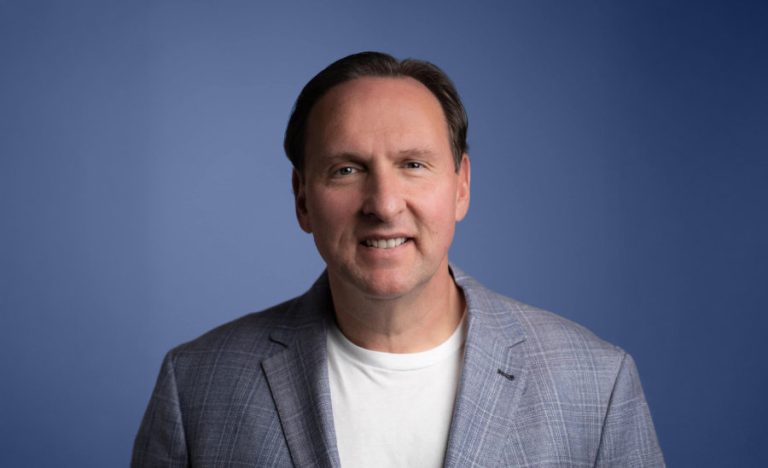
Mike Loverde MHS, CIP
Clinical Director & Founder, Family First Intervention
Read Bio
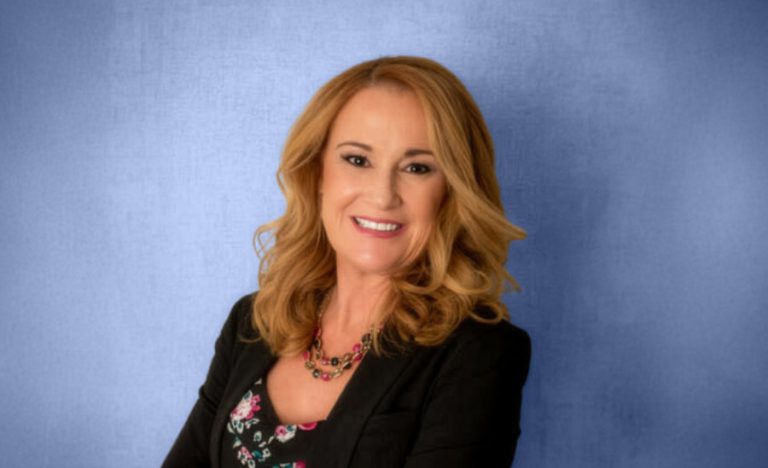
Lisa Loverde CADC
CFO & Compliance Officer
Read Bio
Adam Faulkner
CEO
Read Bio

Amy Cooper ICADC, NCACIP
Family Liaison
Read Bio
Meghan Gaydos MA
S.A.F.E.® Family Recovery & Post Intervention Support
Read Bio

How our S.A.F.E.® Intervention Services for Addiction and Mental Health Work.
Families struggle most after the face-to-face intervention. Once our professional interventionist has completed the in-person intervention in Pennsylvania or anywhere else your family and loved one resides in the country, you move into our S.A.F.E.® Intervention and Family Recovery Coaching. In this program, you will learn to do more of what works and less of what doesn’t. In addition to the Self Awareness & Family Education you receive, you will have access to many additional groups and resources, and individual support when needed. When your loved one is in treatment, we will work with you on effectively communicating with them and meet with their clinical team once a week to hear about their progress or lack thereof. Depending on your loved ones’ progress, we may bring them into the Family Recovery Coaching sessions.
The S.A.F.E.® Intervention and Family Recovery Coaching program prepares you for the long haul of your loved one’s addiction and mental health concerns. Our program works best when you attend your weekly sessions and attend the other groups offered throughout the week. In addition to our groups, we encourage individual therapists and attendance in support groups such as Al-Anon, Families Anonymous, CoDA, and ACOA. If you are married, we also encourage you to seek help from a Marriage and Family Therapist (LMFT) with a background in addiction, in addition to our curriculum. The more you learn about yourselves and your loved ones’ problems, the better you can navigate effective solutions when problems and concerns arise. What is expected of the family is not more than what you expect of your loved one while in treatment or afterward. Coincidentally, they will see the results of their treatment based on their engagement, involvement, and the sincerity of their willingness to change. The point of all this is to help both sides heal simultaneously to increase the opportunity of a successful outcome for both family and loved ones with addiction and mental disorder problems.
Initial Consultation
Our process starts with a phone call to our office. When the family agrees, we move to a family consultation call. We begin the assessment phase after the family has approved the intervention.
Arranging the Treatment Plan and the Logistics for the Intervention
The next step is arranging the treatment plan and the logistics for the intervention. Upon arrival, our interventionist utilizes our S.A.F.E.® Intervention and Family Recovery Coaching manual as a guide.
Face-To-Face Intervention
The following day is the face-to-face intervention with your family, the interventionist, and your loved one. Regardless of the outcome, your family will move into our S.A.F.E.® program for guidance and support. The S.A.F.E.® curriculum consists of weekly family meetings with several support groups offered throughout the week. One-on-one support is available and reserved for families actively engaged in our meetings and support groups. Families are assigned homework assignments to work on goals and process the work they do for themselves outside of the S.A.F.E.® curriculum.
Outside Work for Families
The outside work can include Al-Anon, Families Anonymous, CoDA, A.C.O.A. meetings, marriage and family therapy, and individual counseling. We also encourage families to participate in hobbies and self-care activities. The S.A.F.E.® Addiction and Mental Health Intervention Services and Family Recovery Coaching program is designed to help families take their lives back, regardless of whether their loved one agrees to accept your gift of a second chance at life.
Addiction and Mental Health Interventionist Resources in Pennsylvania
Interventionists for an alcoholic or drug addiction are almost always a one or two-person operation. Much of their work comes from referrals from therapists, treatment centers, or a local presence in the community. Many of these interventionists do a fantastic job, and unfortunately, they can only focus on inspirational or motivational speeches to encourage your loved one to accept help. Many do this well; if that is all you want, you should go that route. Keep in mind that approach will almost always lead you back to where you started because you will only have addressed some of the reasons how and why you were at this point. For those interventionists in Pennsylvania or anywhere else in the country who claim to offer aftercare services, most need more clinical knowledge or staff to deliver the necessary support. Telling someone not to enable is easier said than done. The family has to understand their role in the family and why they have operated the way they have. If you went to a therapist and they only told you to do this and not that, how much would that help? If your loved one’s therapist at the treatment center only said don’t use drugs and don’t drink alcohol and did not help them understand why, would they improve?
At Family First Intervention, we help families and their loved ones in Pennsylvania and anywhere else in the United States understand the why. We have built a curriculum that allows all affected parties to learn and grow from the turmoil of addiction or mental health. Addiction and Mental Health take a toll on more than one person; it hurts everyone close to the problem and reaches even further beyond that. When considering an interventionist, please remember that believing your loved one is the only one that has to get well has caused many families to watch their loved one cycle in and out of treatment centers or make several attempts to address their problem. Regardless of whether or not your loved one wants help, your family deserves support and has the opportunity to take the first step. Living under the belief that you must wait for them to take the first step is not helpful. It is time to take your life back and, in turn, attempt to give your loved one their life back too.