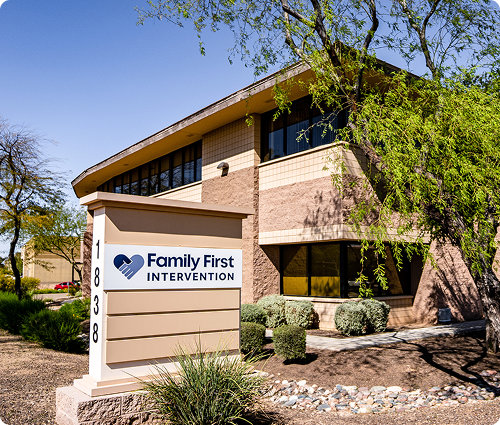

Family First Intervention
California Interventionist



Interventionists In California
Family First Intervention – California is your local California intervention company. We are Licensed & Certified Interventionists offering interventions for families struggling with mental health issue, drug addiction, and alcohol addiction. When families are constantly fighting and cannot get over their problems for the needs of a family member who is addicted, an interventionist is needed.
When your loved one refuses to get help for drugs, alcohol, and mental health issues, your family needs an interventionist. If you are worried that mental health issues, alcohol, or drug use is going to leave your loved one hurt or dead, you need an interventionist. We have interventionists waiting for your free consultation call today.


Professional Interventionist Services
Certified Intervention Professionals (CIP), the interventionists at Family First Intervention are extremely knowledgeable about addiction, family dynamics, mental health and psychology of addiction, and how all of these play a role in substances abuse. We help you to assess your families’ problems, come up with a plan for treatment, and then intervene with all members of the family. A professional intervention is the best way to achieve the outcome you want – whether it be a loved one seeking treatment, fixing family problems, or other recovery goals.
Services We Help Families Find In California:
- California Detox Facilities for Drug and Alcohol Addiction
- Drug and Alcohol Rehabs and Treatment Centers in California
- Family Counseling Services in California
- Anger Management Classes for Families in California
- Residential Addiction Treatment and Mental Health Facilities throughout California and Surrounding Areas
Family First Intervention
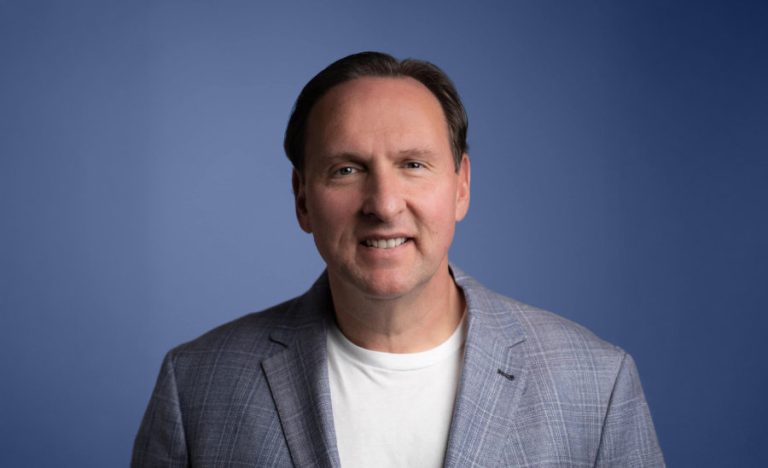
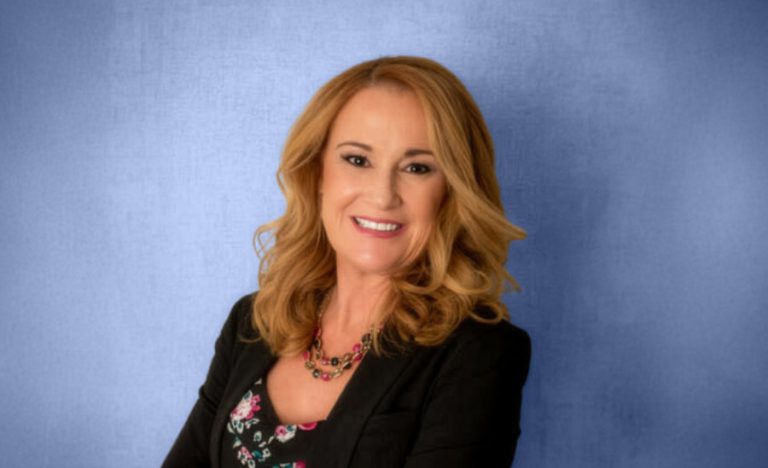
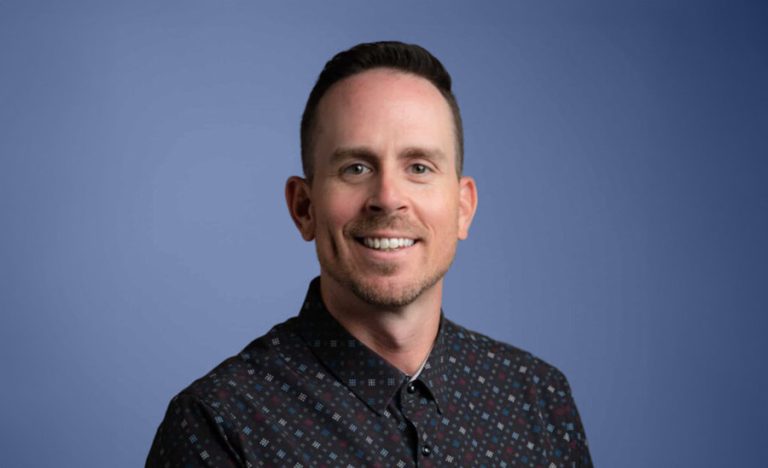
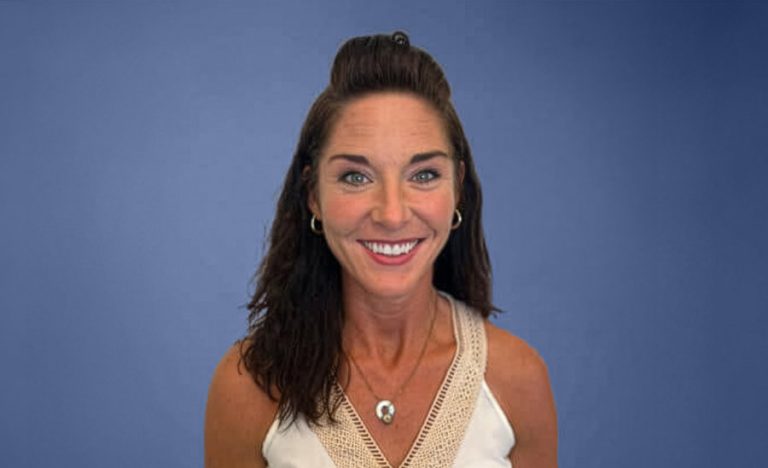
Meet Our Experienced Addiction and Mental Health Intervention Counselors


Family Intervention Counseling
When families need counseling for their problems and don’t know where to start, an interventionist is the organizer that brings all the chaos together into a plan for getting better. Your interventionist is your family advocate that keeps you focused on healing and not re-opening old wounds. In addiction intervention, getting treatment is the most important thing and we keep the focus on that.
Substance Abuse Intervention
Problems with drugs and alcohol become very complicated when family gets involved. Even if the family is knowledgeable about addiction medicine and the problems facing the addict, the family closeness makes it harder to convince your loved one to get treatment. An interventionist as an outside ‘ringmaster’ can help organize the family’s thoughts feelings and emotions into a positive experience that makes a substance user want to enter treatment and turn their life around.
California Drug Intervention
Family First Intervention has had a lot of experience dealing with every type of drug and addiction there is. We help families to perform successful drug interventions for marijuana use to polydrug use and pain management addiction issues. Our job is to recognize the issues in your life and present options for fixing them.
Our interventionists are experts with:
- Heroin Intervention
- Cocaine Intervention
- Marijuana & Synthetic Marijuana Intervention
- RX Drug Intervention
- Poly-Drug Use Intervention
- Benzodiazepine Intervention
- Meth Intervention
- Opioid Intervention
California Alcohol Intervention
Addiction to alcohol is the most serious of addictions. Alcoholism leads to death in nearly every case that is not addressed, and alcohol withdrawals can even make quitting deadly. Alcoholism and even minor forms of alcohol abuse are extremely serious and telling someone ‘they need to quit drinking’ is a big decision that should be done as an intervention properly with an alcohol interventionist in California.
Family First Intervention’s alcohol interventionists help your family to plan a proper and safe alcohol intervention and have alcohol detox and treatment options ready to quickly bring your alcoholic loved one under medical supervision.
California Mental Health Interventions
Getting a loved one to seek help for their mental health issues is a tough type of intervention for non-professionals to perform. Especially if you yourself are not knowledgeable about mental health issues or cannot be as understanding about the issues as you need to be. Mental health interventions are interventions performed by your family and led by a professional interventionist that can provide instant answers to your loved ones questions about their mental health.
It is important for your loved ones to understand that mental health problems are not something to be ashamed of or let stigmatize you. We normalize the idea of seeking counseling for help, and inspire hope in treatment.
California Addiction Specialists
At Family First Intervention, we are addiction specialists trained in addictionology and the science of addiction. We understand how addiction affects the brain and manifests as ‘mental health conditions.’ We also know all the options of treatment of addiction that are in California, including new treatments for addiction and groundbreaking therapies that take away addiction cravings.
We, as your California family interventionists are your advocates for the addiction recovery of your loved one. We help you to organize intervention and following treatments for a successful addiction recovery program.
Help Choosing An Addiction Treatment Center in California
Treatment options for drug addiction, mental health, and alcohol abuse come in all shapes and sizes. Drug and alcohol rehab problems are all so different and varied because all people are different and varied. Different rehab programs will fit different types of people and different types of substance users. So much of your success at recovery from substance abuse depends on the specific program you choose – that is why it is essential to have help in choosing a rehab facility or program. Family First Intervention helps you choose the right fitting program for you and your family’s needs.
California Family Addiction Resources
California families can turn to Family First Intervention for a wealth of resources and information on addiction and substance abuse. Our main goal is to help your family make the right decisions when it comes to addiction. In pursuit of that goal, we strive to make as many addiction resources available to families.