
Service Areas
Addiction and Mental Health Disorder Intervention Services in Tennessee



Interventionists In Tennessee
Families across Tennessee are navigating addiction and mental health challenges. Family First Intervention helps families take structured action.
Our S.A.F.E.® program supports lasting recovery outcomes.


Families can help their loved one with Mental Health and Addiction Concerns in Tennessee or anywhere else in the Country through our S.A.F.E.® (Self Awareness Family Education™) Intervention Services.
Fear can paralyze people. Families often have no idea where to turn when addiction and mental health struggles enter the home. The longer the problem is swept under the rug, the harder it is to break out. The lack of family initiative to correct the problem is due to fear and the formation of unhealthy family roles and maladaptive coping skills. Families take on unique roles to get through the day-to-day issues that occur. The enabler puts all their energy into the loved one with mental health and addiction-related issues, while the perfectionist hero tries to steal the spotlight from the enabler. The scapegoat acts out similarly in behavior to the person struggling, while the lost child isolates, and the scapegoat hides behind humor. There is also the martyr who becomes a victim and will devise every excuse possible not to help the person and change the status quo. The behaviors and roles described may not make sense to some, but they are textbook. Some family roles are not taken on at all; others can take on multiple roles simultaneously. Families and the environment contribute more to worsening addiction and mental health problems than anything else. Families do not do this willingly or knowingly; it just happens. The family may not be the cause of addiction and mental health, and it can stand in the way of the solution.
Having performed Mental Health and Addiction Interventions in Tennessee and Nationwide since 2005, we are no strangers to families’ struggles. Countless families in Tennessee have called asking for help, stating that the resources available aren’t helping them and their loved ones. Although this may be true, there is far more to resources not working than believing that is the only problem. Until the family acknowledges and addresses their role in the family system, holding their loved one back, most resources will be ineffective. The person with an addiction or mental health concern must see and feel the need to do something different through consequences; this is called the second stage of change. Until this occurs, your loved one will make little, if any, progress at all. Like the family roles, this is not an opinion; this is also textbook science. For your loved one to seek help and stay in recovery, they must see that the benefits of quitting outweigh the consequences of staying the same. If the consequences do not appear to be that bad, then quitting is not an option to consider. Families who act out dysfunctional family roles, starting with the enabler and often the martyr, can significantly contribute to their loved ones not seeing the need to seek help.
Family First Intervention
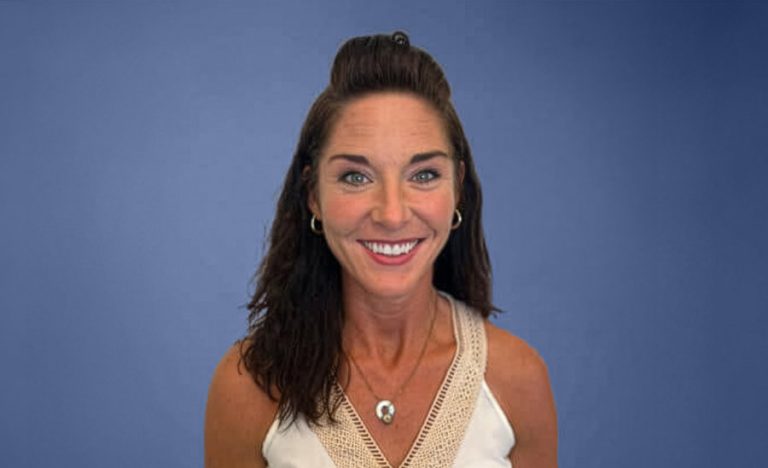
Meet Our Experienced Addiction and Mental Health Intervention Counselors


How our S.A.F.E.® Family Intervention Services Work.
Our name says it all: Family First; that is where we start. The environment, including the family system, is one of the most significant predictors of addiction and mental health treatment outcomes. Most people reading this know they cannot physically force, coerce, or talk their loved one into treatment. You will wait a long time if you think that is an option. To help the person see the need for change, you must understand why they do not see it. The number one offender for the inability to see the need is comfort and the belief in control. When the family acts out their dysfunctional roles guided by the enabler and the martyr, the one with addiction and mental health issues holds all the cards. Rather than focus on changing the loved one with addiction and mental health concerns, we help shift the focus onto changing you and what you can correct. Through our Tennessee Intervention Services, we can help families come together and arrive at the same goal and solution. Nothing derails your loved one’s ability to do something different than not being on the same page as a family.
Our Tennessee intervention services start with a face-to-face meeting with the family before speaking to your loved one. After the face-to-face intervention, your family moves into our S.A.F.E.® Family Recovery Coaching, regardless of the outcome. Our curriculum is in-depth and consists of weekly meetings with your family. In addition to your weekly meetings, several other groups run throughout the week. Families who are engaged and keep regular appointments have access to our counselors for one-on-one conversations. Addiction and Mental Health Interventionists in Tennessee or anywhere else in the country cannot offer these services when only one or a few make up their staff. The hardest part of the intervention services process is not when the interventionist is there. The hardest part is helping your family commit to the process and supporting them after the face-to-face intervention. The part families are most scared of is the easiest and quickest part. Almost all our resources are allocated after the intervention, when families need us most. Most interventionists need to do this, and they need to realize the importance of it. Many professional intervention services aim to talk your loved one into treatment, get paid, and leave. That is not an intervention; that is a paid twelve-step call that is a free service offered by Alcoholics and Narcotics Anonymous members.
We are not here to badmouth these other interventionists, as we know they are genuinely trying to help, and they wear their hearts on their sleeves. However, hiring a solo interventionist in Tennessee and in recovery to talk your loved one into treatment with little to no support afterward is not an intervention. Interventions require professionals who focus on the whole problem, not just your loved one with addiction and mental health concerns.
Initial Consultation
Our process starts with a phone call to our office. When the family agrees, we move to a family consultation call. We begin the assessment phase after the family has approved the intervention.
Arranging the Treatment Plan and the Logistics for the Intervention
The next step is arranging the treatment plan and the logistics for the intervention. Upon arrival, our interventionist utilizes our S.A.F.E.® Intervention and Family Recovery Coaching manual as a guide.
Face-To-Face Intervention
The following day is the face-to-face intervention with your family, the interventionist, and your loved one. Regardless of the outcome, your family will move into our S.A.F.E.® program for guidance and support. The S.A.F.E.® curriculum consists of weekly family meetings with several support groups offered throughout the week. One-on-one support is available and reserved for families actively engaged in our meetings and support groups. Families are assigned homework assignments to work on goals and process the work they do for themselves outside of the S.A.F.E.® curriculum.
Outside Work for Families
The outside work can include Al-Anon, Families Anonymous, CoDA, A.C.O.A. meetings, marriage and family therapy, and individual counseling. We also encourage families to participate in hobbies and self-care activities. The S.A.F.E.® Addiction and Mental Health Intervention Services and Family Recovery Coaching program is designed to help families take their lives back, regardless of whether their loved one agrees to accept your gift of a second chance at life.
Mental Health, Drug Addiction, and Alcohol Intervention Resources in Tennessee and Nationwide
Tennessee has many treatment centers, interventionists, therapists, and counselors. All these resources will be helpful to the right person with the right curriculum and counselors. We stated above that the environment was one of the number one predictors of outcomes. The other number one predictor of outcomes is the client-counselor relationship. Studies have shown that the right counselor can get farther with a client with the wrong treatment than the wrong counselor with the proper treatment. Let that sink in for a minute. Our point is your family and your loved one have options and resources in Tennessee. You also have a country with resources that may be a better fit for various reasons. Family First Intervention has interventionists in Tennessee. Our Interventionists here in Tennessee may not be the ones coming to your home after we complete our assessment process. You have several treatment centers in Tennessee. These, too, may not be an option after our assessment process. The point is that we incorporate the environment and the client-counselor relationship into our interventions.
With all the resources available in Tennessee and the rest of the country, you and your family must know your options and the specific reasons for your unique situation and needs. Hiring a local interventionist and going to a local treatment center may be in the best interest of your interventionist and your enabling and codependency and may not be in the best interest of your loved one and the rest of your family. Family First Intervention has an entire staff with several counselors and coordinators and even more addiction and mental health interventionists in the field to choose from when considering an interventionist and a treatment plan for your case.
We look forward to discussing these options to provide your family and your loved one with the greatest likelihood of a successful outcome.