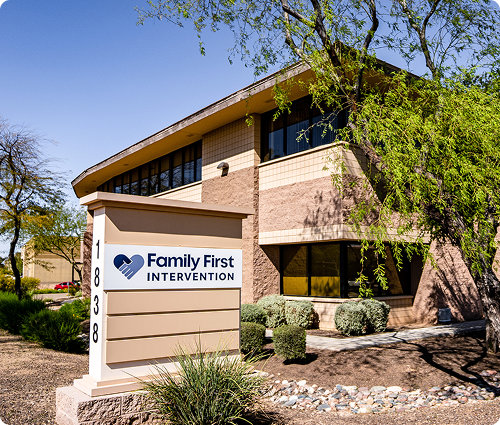

Family First Intervention
Alabama Interventionist




Interventionists In Alabama
The Licensed & Certified Interventionists at Family First Interventions help families in Alabama get help for loved ones – whether they need substance abuse treatment, rehab, mental health counseling, addiction counseling, or a combination. It can be very difficult to convince someone you love to stop using drugs & alcohol and/or seek treatment for mental health concerns; that is where interventionists help – we answer questions and provide options for next steps.
Family Intervention Services help families convince loved ones they have a problem, that they need help for that problem, and then oversee the treatment process for all members of the family that need them.
Services We Help Families Find In Alabama:
- Alabama Detox Facilities for Drug and Alcohol Addiction
- Drug and Alcohol Rehabs and Treatment Centers in Alabama
- Family Counseling Services in Alabama
- Anger Management Classes for Families in Alabama
- Residential Addiction Treatment and Mental Health Facilities throughout Alabama and Surrounding Areas


Professional Interventionist Services
Individual members of families have problems with mental health, substance abuse, addiction, and other behavioral issues; these problems can also affect other members of the family and the entire family structure. A person using drugs and alcohol may think its their own choice and own business, but substance use always affects others – especially family and loved ones.
Sometimes families just need a family intervention to get everyone together, on the same pages with their feelings and concerns, and to discuss how to make things better. Often the intervention is all the family counseling the family needed; other times, families need ongoing family counseling and support. We help families find options for counseling that work for all members of the family, are safe, and offer the best chances of success.
Family First Intervention
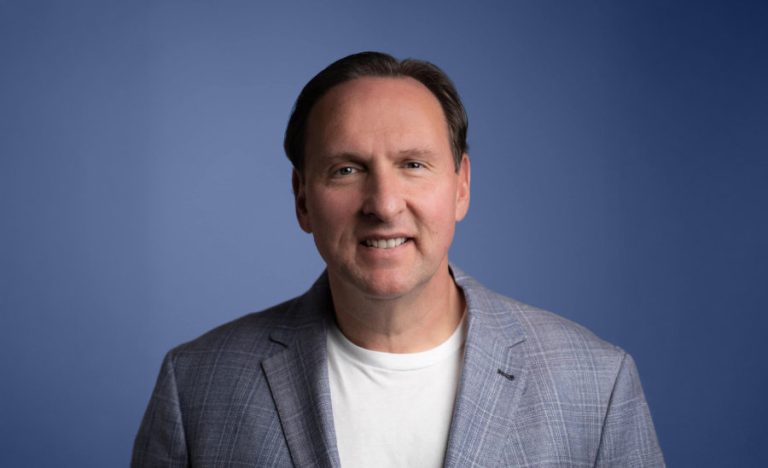
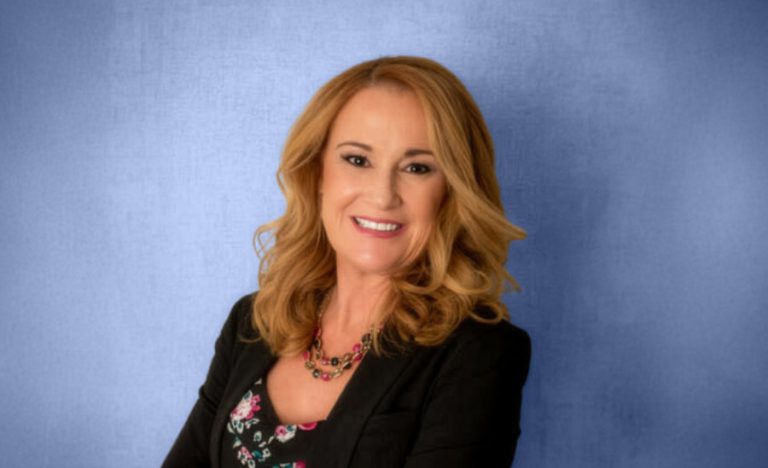
Meet Our Experienced Addiction and Mental Health Intervention Counselors


Substance Abuse Intervention
A loved one’s struggles with alcohol or substance abuse can be scary, stressful, and worrisome for families. Many don’t understand the details of their loved one’s struggles with alcohol or drug use, they just want them to get-better. A drug and alcohol interventionist helps to answer questions about addiction, addiction treatment, and how to help a loved one recover from drugs and alcohol. Whether your spouse, son, daughter, or loved one is using drugs or alcohol, we can help. Start with a free phone call to our Family First Intervention Counselors.
Alabama Drug Intervention
Addiction comes in many forms, but has many similarities between the different substance used. A family member using heroin often displays the same mental health issues as an alcoholic or prescription drug users. There are also differences in the different types of substances used in substance use disorders that addiction specialists are knowledgeable-with. Interventionists’ expertise about drugs and drug types make the process of getting a family member into rehab much easier.
Our interventionists are experts with:
- Heroin Intervention
- Cocaine Intervention
- Marijuana & Synthetic THC
- RX Drug Intervention
- Poly-Drug Use Intervention
- Meth Intervention
- Opioid Intervention
- Family Interventions
Alabama Alcohol Intervention
Alcohol interventionists will be the first to admit that alcohol is the scariest of the drugs; alcohol addiction is just as serious as heroin and drug addiction, just as hard on families, and can turn deadly quickly. Alcohol abuse and mental health issues are closely linked, and often include past trauma or unresolved family problems. Alcoholics will slowly drink themselves to death if reality and family don’t intervene and push for alcohol recovery. Alcohol interventionists help with the difficult task of convincing an alcoholic they need treatment.
Alabama Mental Health Interventions
Mental health issues are at the core of all substance use disorders and addiction. Addicts, alcoholics and even occasional drug and alcohol users may be adamant that they don’t have mental health problems, but these may be hiding just below the surface. Our Intervention Specialists are experts in Mental Health Interventions first and foremost. Many families will call us for drug and alcohol interventions and later realize that the mental health intervention was most-needed for the entire family.
Alabama Addiction Specialists
Professional Interventionist are addiction specialists that know both the psychology of addiction and the current medical standards for the treatment of addiction. Our knowledge set is a tool for families that are worried about their loved ones drug use or alcohol use. Families don’t always know all the problems a loved one is dealing with; families don’t have to be addiction specialists to get help, your interventionist is your addiction specialist.
Choosing A Treatment Center For a Loved One?
Help Choosing An Addiction Treatment Center in Alabama
Choosing an addiction treatment facility in Alabama that fits your loved ones’ needs is a daunting task – even for professionals. There are many different types of addiction treatment centers, program, and types of addiction treatment. Family Interventionists help your family to assess the needs for treatment and choose the correct treatment program and facility that will offer the best chance of a full recovery.
Alabama Family Addiction Resources
Family First Intervention is the first call Alabama families should make when looking for resources and information on addiction treatment in the State of Alabama. We have lots of free resources and information for families. We offer a FREE first call consultation to all families struggling with family substance abuse issues! Call us and see if your family could use further help from interventionists.