
Family First Intervention
Arkansas Interventionist



Interventionists In Arkansas
Arkansas families trust Family First Intervention’s Licensed & Certified Interventionists when looking for substance abuse treatment, rehab, mental health counseling, addiction counseling, or a combination. An interventionist meets with the family, discusses the addiction problems happening in a family member, puts together a plan for treatment, then “intervenes” with the addict (the process of telling your family member that their addiction is hurting them and the rest of the family and they need to get help).
Pre-planning the intervention ensures that you have a rehab or addiction treatment center ready for your loved one to go-to immediately. Your loved one has a better chance at recovery from drugs and alcohol if they go to rehab immediately after the intervention – we help you make sure everything is ready.


Professional Interventionist Services
We are licensed, professional and certified Intervention Professionals that travel to where you and your family live and meet with you and plan the intervention. We talk to your family, we find out what the problems are, and then we all sit down together and work on a plan for a full family recovery (The addict and the other members of the family).
Services We Help Families Find In Arkansas:
- Arkansas Detox Facilities for Drug and Alcohol Addiction
- Drug and Alcohol Rehabs and Treatment Centers in Arkansas
- Family Counseling Services in Arkansas
- Anger Management Classes for Families in Arkansas
- Residential Addiction Treatment and Mental Health Facilities throughout Arkansas and Surrounding Areas
Family First Intervention
Meet Our Experienced Addiction and Mental Health Intervention Counselors
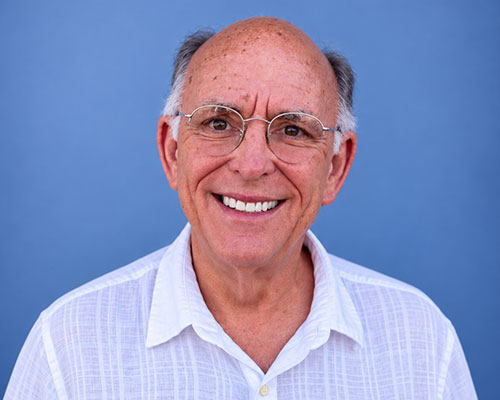
Michael Spruce
Director of Business Development
Read Bio

Philip Chip Winfrey
Intervention Coordinator
Read Bio

Tammy Lawrence
Intervention Coordinator
Read Bio
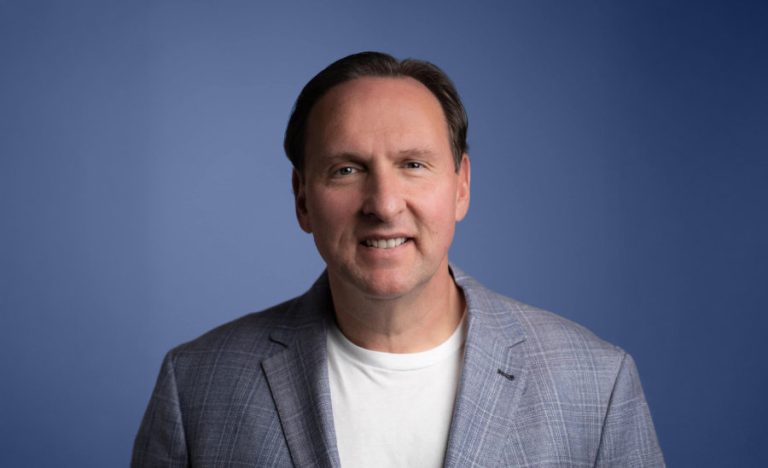
Mike Loverde MHS, CIP
Clinical Director & Founder, Family First Intervention
Read Bio
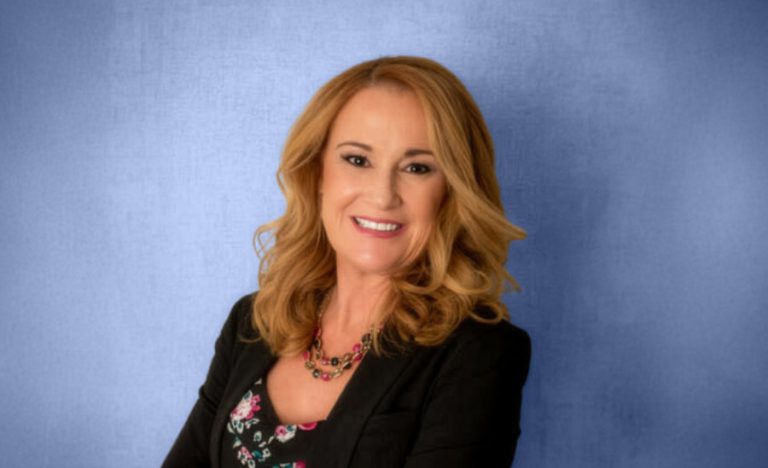
Lisa Loverde CADC
CFO & Compliance Officer
Read Bio
Adam Faulkner
CEO
Read Bio

Amy Cooper ICADC, NCACIP
Family Liaison
Read Bio
Meghan Gaydos MA
S.A.F.E.® Family Recovery & Post Intervention Support
Read Bio

Family Intervention Counseling
When your family is going through problems, you need someone to talk to and help you sort out the problems. You need a sort of family counselor – and Family First Intervention is your family’s first counselor. We start with a free consultation to assess the problems; based on the results, we will give our opinion on how your family should proceed. We may recommend family counseling, mental health therapy, substance abuse treatment, or other options. Organizing your family to start recovery is our main job and it helps make your recovery more successful.
Substance Abuse Intervention
Drug and alcohol abuse is a major concern in Arkansas families. Many family problems involve some sort of substance abuse issues or mental health issues. A professional interventionist comes to your families rescue, setting all other problems aside and getting you treatment for the most important issues first. The most important issues may be drug and alcohol detox, family or individual counseling, anger management classes, or even medical issues associate with substance abuse like liver damage, malnutrition, pain management issues, and other co-morbidities.
Arkansas Drug Intervention
We help Arkansas families perform successful drug interventions that result in your loved one entering drug addiction treatment programs and starting recovery from addiction.
- Heroin Intervention
- Opioid Intervention
- RX Drug Intervention
- Poly-Drug Use Intervention
- Cocaine Intervention
- Marijuana & Synthetic THC Intervention
- Benzodiazepine Intervention
- Meth Intervention
Family First Intervention knows personally the pain that drug addiction causes individuals and families and we know how to help in times of family crises. Interventions organize your family in times, and keep everyone focused on a successful recovery and becoming a happy family again.
Arkansas Alcohol Intervention
We offer alcohol interventions for families struggling with alcohol abuse and alcoholism in Arkansas. Our Alcohol Interventions are designed to assess family issues and reasons why the alcoholic has not yet entered treatment or why past attempts to get sober were not a success.
We – together with the family – plan the intervention and have multiple treatment options ready for alcohol addiction treatment, mental health counseling, depression treatment, associate medical concerns, and treatments for any other issues we foresee coming-up during the intervention.
Arkansas Mental Health Interventions
Mental health reasons (depression, anxiety, mood disorders, etc.) are the primary reason for alcohol and drug use. Your brain is trying to self-medicate its mental health issues with drugs and alcohol (Which temporarily give a feeling of relief). Our interventionists assess mental health needs of all interventions – especially during alcohol and drug intervention events. We help families to choose rehabs and addiction treatment facilities that also offer mental health treatment or recognize those conditions in treatment.
Arkansas Addiction Specialists
Family First Intervention are your Arkansas Addiction Specialists. We know addiction intimately and it has touched our families’ lives also. We take all of our Arkansas families’ concerns very seriously and want to offer the best help possible to anyone struggling with addiction. We can help you to identify how serious your loved one’s addiction problems are and recommend the best treatment options for their specific situation. If you have questions at all about your loved one’s addiction, call Family First Intervention today to speak with an interventionist.
Help Choosing An Addiction Treatment Center in Arkansas
There are many fine substance abuse treatment centers in Arkansas, and there are also many programs that are adequate but not the right fit for all types of people. This is where interventionist can offer your loved one a better chance at recovery from addiction and mental health issues: we help you to choose the rehab facility that is the correct fit for your individual needs. The correct fit of treatment program increases your chance for full recovery from addiction and mental health issues.
Arkansas Family Addiction Resources
We are interventionists in Arkansas, but we also focus on educating families in Arkansas about addiction. We offer a number of free resources on addiction for families through our website, and families are encouraged to call us for a free phone consultation to better assess your situation, needs, and resources available to you.