
Service Areas
Addiction and Mental Health Disorder Intervention Services in Illinois





Interventionists In Illinois
Families throughout Illinois are dealing with the increasing impact of substance use and mental health challenges. Family First Intervention helps families take clear, structured steps toward change.
Our S.A.F.E.® program supports both the family and the individual in creating lasting recovery.


Our S.A.F.E.® (Self Awareness Family Education™) Intervention & Family Recovery Coaching Services Support Families in Illinois before, during, and after the intervention.
Family First Intervention is a local Illinois intervention services company providing resources to families of loved ones who are alcoholics and struggle with drug addiction and mental health disorders.
After three years of working for another intervention company, Family First Intervention started in the home of our founder in Tinley Park, Illinois, a suburb of Chicago, in 2008. After being incorporated in 2009 and growing in size and scope, our first office moved to Orland Park, IL. Initially, our services were all about talking to or inspiring the addict or alcoholic into treatment. Our founder’s previous experience put minimal emphasis on addressing the family system, let alone anything outside of just talking to the substance user. His experience was one of the many reasons he moved on to start Family First Intervention. He saw that interventions needed to be much more than a paid 12-step call for addiction only delivered by someone who understands your loved one. As crucial as that small piece of the puzzle is, over the years, and as we grew, we have made great strides in building our S.A.F.E. ® (Self-Awareness Family Education™) Intervention & Family Recovery Coaching program that addresses the entire Family System and considers mental health disorder concerns and addiction. With these changes, we quickly saw how this approach exponentially increased successful outcomes for addiction and mental health and the family’s recovery. This expansion led us to our local Mokena, IL office and our second office in Phoenix, Arizona. With our office locations, personnel, and 20 interventionists in the field throughout the United States, we can offer our addiction and mental health intervention services nationwide.
With Illinois being the 6th most populous state in the country and being home to the third largest US city, Chicago, the state surprisingly has limited access to influential intervention professionals and long-term treatment centers that address dual diagnosis clients and disrupted family systems. Having lived in Illinois most of our lives, we have seen firsthand the need for access to intervention professionals and treatment centers where there are significantly fewer resources relative to the population of the Chicago metro area and the state as a whole. What also makes the Chicago area a great hub is access to two major airports: O’Hare and Midway. This access allows us to arrive at your family home quickly should we be called to help outside the state of Illinois, which often is the case.
Family First Intervention
Meet Our Experienced Addiction and Mental Health Intervention Counselors
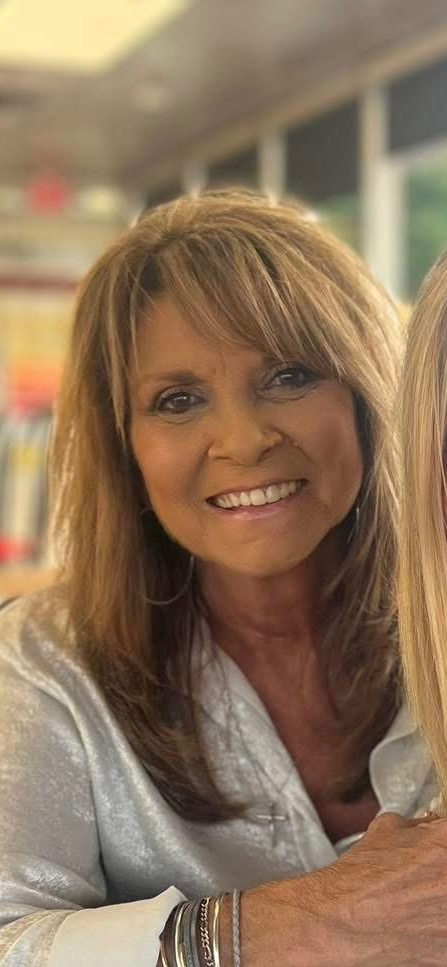
Tammy Lawrence
Intervention Coordinator
Read Bio
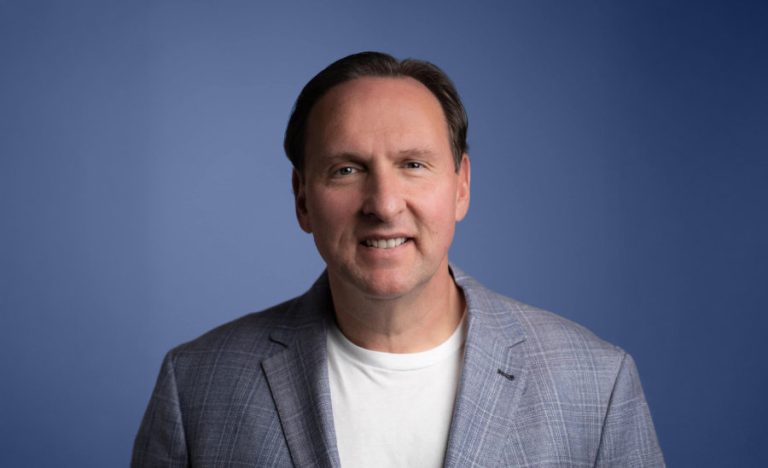
Mike Loverde MHS, CIP
Clinical Director & Founder, Family First Intervention
Read Bio
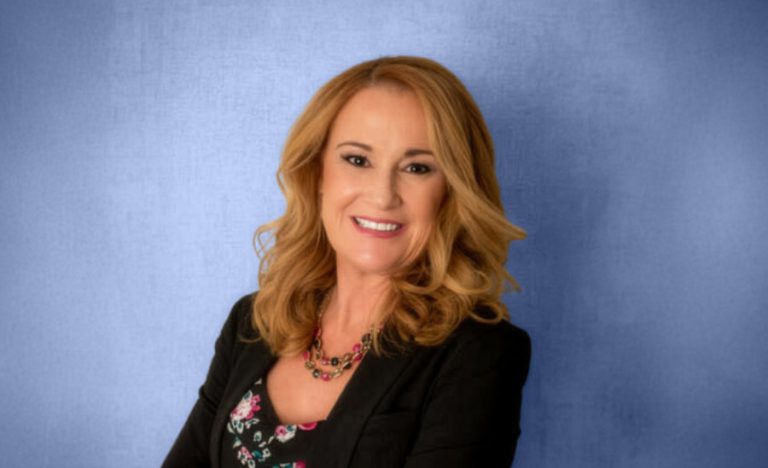
Lisa Loverde CADC
CFO & Compliance Officer
Read Bio
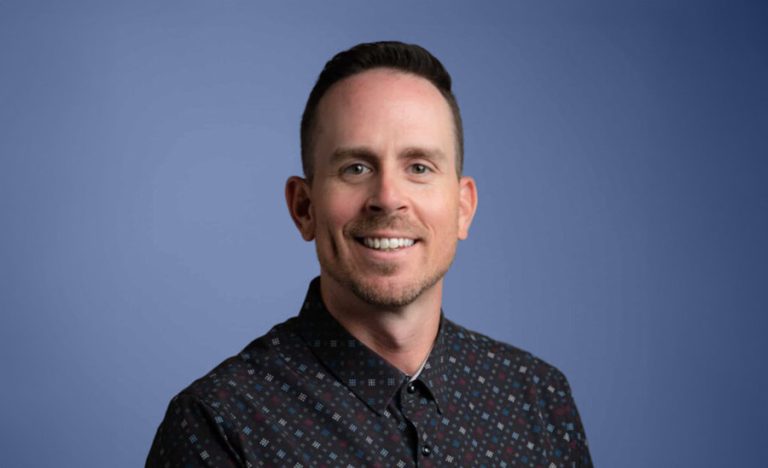
Adam Faulkner
CEO
Read Bio

Amy Cooper ICADC, NCACIP
Family Liaison
Read Bio
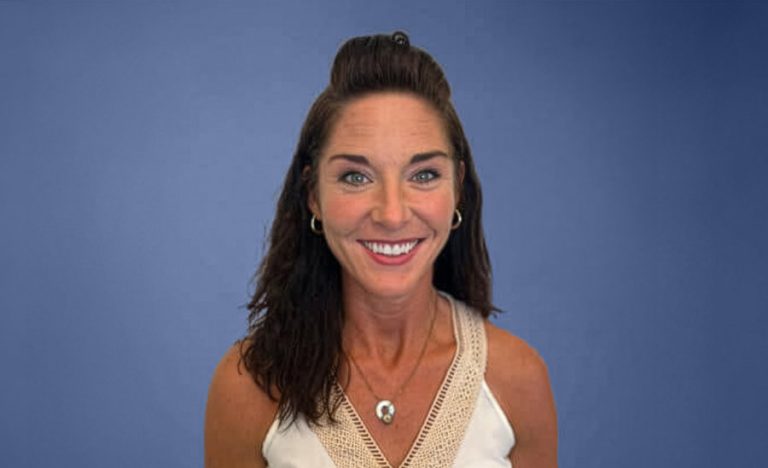
Meghan Gaydos MA
S.A.F.E.® Family Recovery & Post Intervention Support
Read Bio

S.A.F.E.® (Self-Awareness Family Education™) Intervention & Family Recovery Coaching Services in Illinois.
Regardless of which state the intervention takes place, the substance user is not part of the first day of the intervention. The first day requires family, friends, or anyone else who has been affected or chooses to be there. When preparing for the family day, all family members must try to agree on what needs to change and what enabling behaviors must stop to ensure a successful intervention. Even if effective local treatment in Illinois is available, we also try to help the family understand the need to move their loved one away from their familiar environment in Illinois. One of the most significant predictors of outcomes is the environment. The environment includes being away from the family whose lives have been turned upside down and easier access to familiar people, places, and things for your loved one. It is not to say there are no drugs and alcohol wherever we go. Allowing your loved one a new start elsewhere is another layer of protection. Our experience shows that this geographical change significantly takes the fight out of your loved one when they are unable to know where to obtain drugs or alcohol quickly. This approach also helps vulnerable family members from giving in to their codependent enabling behaviors. It is easier to say no to your loved one over the phone than on your doorstep.
Regarding the formal addiction or mental health disorder intervention, if the family cannot travel to Illinois, it is common to attend family day via Zoom, Google Meet, Skype, etc. We can also have the family member read the letter on screen or have the letter read on behalf of the absent family member during the intervention. Everyone doesn’t need to be present. Although we would like all those affected by the addiction or mental health disorder to be present at the intervention, some family members will always fight you on doing the intervention. These doubters needn’t be present. If they do not want to be there, travel to Illinois for the intervention, or are unwilling to attend via screen time, they can stay home and choose not to attend.
Because of our local and nationwide availability, we can quickly assist with an intervention in Illinois. Although Illinois has its fair share of treatment centers, there are even fewer interventionists who offer intervention services that go beyond the inspirational speech to your loved one. Due to the complexity of family systems, insurance coverage for treatment, and training required to perform addiction and mental health disorder interventions, it is not always common for people to find local professionals to help in their state.
Initial Consultation
Our process starts with a phone call to our office. When the family agrees, we move to a family consultation call. We begin the assessment phase after the family has approved the intervention.
Arranging the Treatment Plan and the Logistics for the Intervention
The next step is arranging the treatment plan and the logistics for the intervention. Upon arrival, our interventionist utilizes our S.A.F.E.® Intervention and Family Recovery Coaching manual as a guide.
Face-To-Face Intervention
The following day is the face-to-face intervention with your family, the interventionist, and your loved one. Regardless of the outcome, your family will move into our S.A.F.E.® program for guidance and support. The S.A.F.E.® curriculum consists of weekly family meetings with several support groups offered throughout the week. One-on-one support is available and reserved for families actively engaged in our meetings and support groups. Families are assigned homework assignments to work on goals and process the work they do for themselves outside of the S.A.F.E.® curriculum.
Outside Work for Families
The outside work can include Al-Anon, Families Anonymous, CoDA, A.C.O.A. meetings, marriage and family therapy, and individual counseling. We also encourage families to participate in hobbies and self-care activities. The S.A.F.E.® Addiction and Mental Health Intervention Services and Family Recovery Coaching program is designed to help families take their lives back, regardless of whether their loved one agrees to accept your gift of a second chance at life.
Whether in Illinois or any other state, we come to you, and our interventions occur in the comfort of your home
We work with your family before, during, and after the intervention to ensure that you get the best education on family systems, addiction behaviors, mental health disorders, alcohol and drug-induced psychosis, and the intervention process, as well as effective evidence-based treatment plans for your loved one. During the assessment phase of the intervention, we often recommend longer-term treatment away from home. Even when we perform our intervention services in other parts of the country, we rarely bring them to Illinois for treatment because Illinois lacks effective long-term dual diagnosis treatment options. Regardless of your or your loved one’s location, we can travel from or to Illinois or any other area in the United States to assist your family and your loved one and address their addiction and mental health disorder struggles.
Our goal is to ensure that the family and their loved one with a mental health, drug, or alcohol use disorder learn how to avoid going through the pain that addiction and mental health disorders cause ever again. When we perform an intervention in Illinois or anywhere else, we can provide you with all the tools necessary to help your family help their loved one advocate for their own care to address their addiction or mental health disorder struggles.