
Service Areas
Addiction and Mental Health Disorder Intervention Services in Indiana



Interventionists In Indiana
Addiction and mental health challenges continue to affect families across Indiana. Family First Intervention helps families intervene effectively before the situation worsens.
Our S.A.F.E.® program provides the structure and guidance needed for long-term success.


Our S.A.F.E.® (Self Awareness Family Education™) Intervention Services & Family Recovery Coaching Curriculum in Indiana and Nationwide Helps those with Addiction and Mental Health Disorders to Ask for and Accept Help Before They Reach Their Bottom.
We will never forget Indiana, where Family First Intervention started. Our Founder and Clinical Director held his first position as an intervention coordinator for an intervention services company in Northwest Indiana. The experiences learned during this time have helped Family First Intervention develop into its current organization. After four years of witnessing what worked and what did not, the experiences of trials and tribulations allowed us to understand one thing: to help a loved one with an addiction or a mental health disorder, you must help the family first. Before Family First Intervention, we did interventions that only influenced the person to accept treatment. Very few, if any, interventionists include family support as part of their intervention services. The need for family support and the differences of opinions led our founder to move on and develop our S.A.F.E.® Intervention Services program in Indiana. Today, our S.A.F.E.® program is offered and delivered nationwide every day.
The most challenging concept for families to believe is when we state that you do not have to wait for your loved one to ask for help, want help, or hit bottom. Almost anyone connected to someone with addiction or mental health struggles has heard these statements. Although there is some truth, it is a very shallow way to look at things. Certainly, someone must take the first step towards their recovery. The question we ask ourselves, and you are, is what prevents your loved one from asking for help, wanting help, or feeling the consequences of a bottom? The answers always, and yes, this is an absolute, always come back to comfort, tipping the decision for the one with addiction and mental health problems to choose not to seek help. The comfort that prevents this is almost always provided by their environment and their enabling and codependent dysfunctional family system. When we change the environment and the family that provides comfort, we change the perception, outlook, and decision of the one who needs help. Until the argument for change is greater than the argument for inaction, the person needing help will choose inaction.
Family First Intervention
Meet Our Experienced Addiction and Mental Health Intervention Counselors
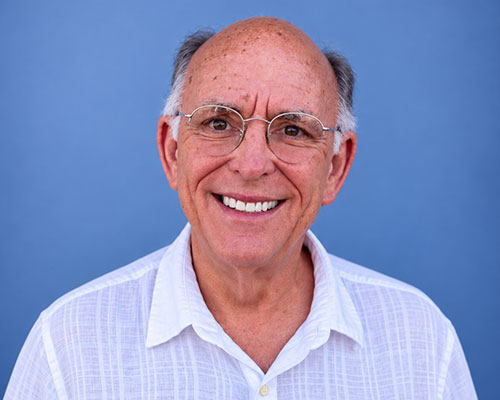
Michael Spruce
Director of Business Development
Read Bio

Philip Chip Winfrey
Intervention Coordinator
Read Bio

Tammy Lawrence
Intervention Coordinator
Read Bio
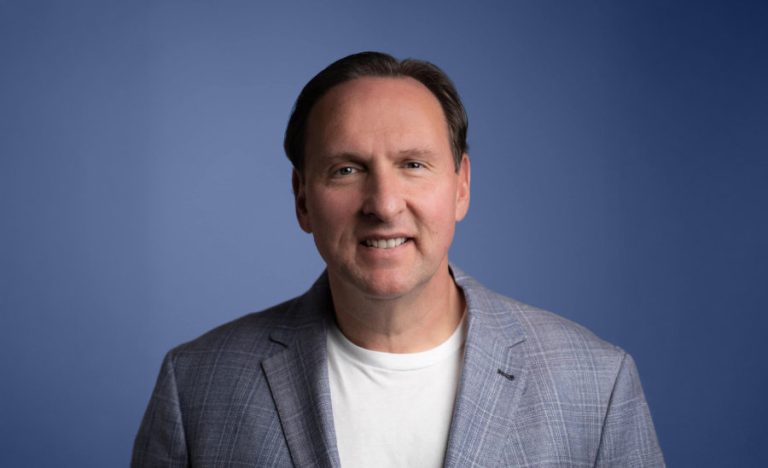
Mike Loverde MHS, CIP
Clinical Director & Founder, Family First Intervention
Read Bio
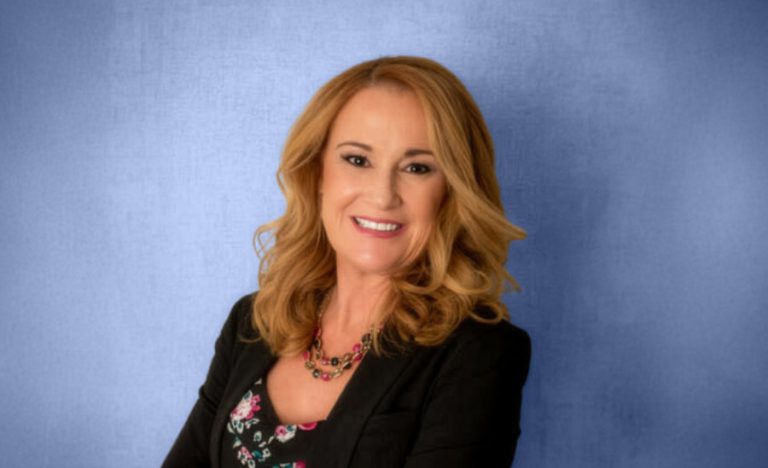
Lisa Loverde CADC
CFO & Compliance Officer
Read Bio
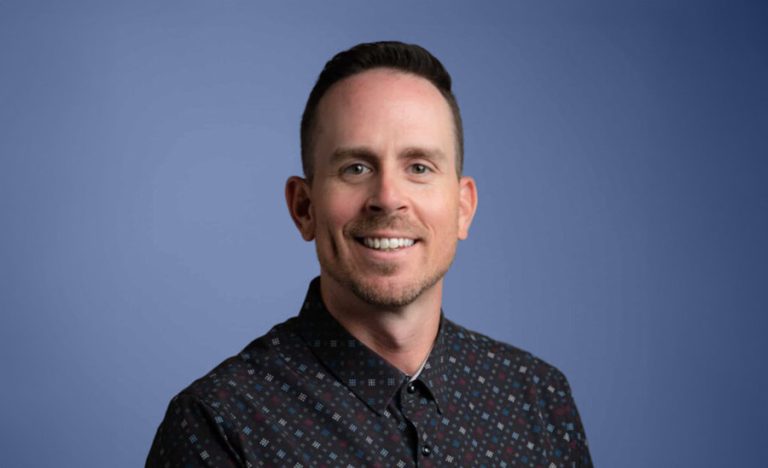
Adam Faulkner
CEO
Read Bio

Amy Cooper ICADC, NCACIP
Family Liaison
Read Bio
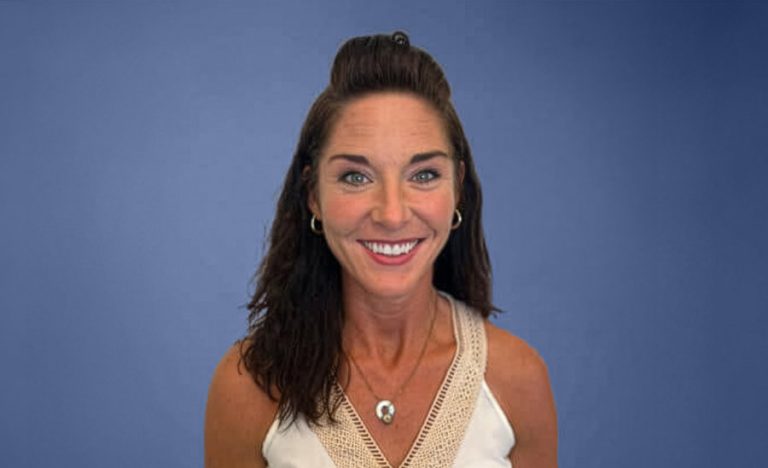
Meghan Gaydos MA
S.A.F.E.® Family Recovery & Post Intervention Support
Read Bio

How our Addiction and Mental Health Intervention Services in Indiana and Nationwide work.
There are five stages of change in addiction recovery. These stages are pre-contemplation, contemplation, preparation, action, and maintenance. The pivotal point of these stages is the second one, contemplation. In this stage, the person with a substance use or mental health disorder must see the need for change by way of ambivalence. The person does not move forward if the need for change is not recognized. Many families have heard that you can’t control addiction or a mental health disorder. Yet, the person reading this is most likely influenced by someone and their addiction or mental health disorder. While we can’t change the person directly, we can change the environment to create ambivalence, moving someone through the stages of change. When you think about it, your loved one needing help hasn’t changed you directly; they changed your environment, and then you changed, most likely not for the better. With our addiction and mental health disorder intervention services in Indiana and across the country, we educate families on how to turn the tables and take back their environment. In doing so, we lovingly hold your loved one accountable so they may see the negative consequences of their choices that otherwise would have fallen on you and your family.
Family First Intervention Services in Indiana and Nationwide go beyond inspiring your loved one to accept help. Although we are successful in doing so, we cannot accomplish this without the family and the environment changing, and that is where you come in. Even when we can bring someone to the point of surrender with our speech, we can rarely keep them on track unless the family starts their recovery, holds their loved one accountable, sets boundaries, and gets better themselves. Most interventionists only come and talk your loved one into treatment; many do an excellent job. The problem is, what happens next when your loved one tries to leave treatment or tries to turn the tables back around on your environment, just like it was before the intervention? What will you and your family do differently this time? Addiction and Mental Health affect the entire family. Any interventionist, mental health, or addiction professional, or clinician who only focuses on the patient is only focusing on a sliver of what needs to be corrected.
At Family First Intervention, we learned the failures and the mistakes while working with other intervention companies. Our entire S.A.F.E.® Addiction and Mental Health Intervention and Family Recovery Coaching Services is as much about what works as it is about what does not.
Initial Consultation
Our process starts with a phone call to our office. When the family agrees, we move to a family consultation call. We begin the assessment phase after the family has approved the intervention.
Arranging the Treatment Plan and the Logistics for the Intervention
The next step is arranging the treatment plan and the logistics for the intervention. Upon arrival, our interventionist utilizes our S.A.F.E.® Intervention and Family Recovery Coaching manual as a guide.
Face-To-Face Intervention
The following day is the face-to-face intervention with your family, the interventionist, and your loved one. Regardless of the outcome, your family will move into our S.A.F.E.® program for guidance and support. The S.A.F.E.® curriculum consists of weekly family meetings with several support groups offered throughout the week. One-on-one support is available and reserved for families actively engaged in our meetings and support groups. Families are assigned homework assignments to work on goals and process the work they do for themselves outside of the S.A.F.E.® curriculum.
Outside Work for Families
The outside work can include Al-Anon, Families Anonymous, CoDA, A.C.O.A. meetings, marriage and family therapy, and individual counseling. We also encourage families to participate in hobbies and self-care activities. The S.A.F.E.® Addiction and Mental Health Intervention Services and Family Recovery Coaching program is designed to help families take their lives back, regardless of whether their loved one agrees to accept your gift of a second chance at life.
Things to Consider When Choosing an Interventionist in Indiana or anywhere else you need professional assistance
Families in Indiana and Nationwide are often excited when they find a local interventionist close to home. Families somehow believe this is beneficial and will produce better results. Many feel the same way when they see a local treatment agency. The local comfort overrides the need for the most appropriate interventionist or treatment agency. The number one predictor of outcomes in addiction and mental health counseling is the client-counselor relationship. Just because you found a local interventionist twenty minutes from home does not mean they fit your family, your loved one, and your situation. Families often look for solutions like their loved one would, with as little pain as possible and the most comfort possible.
When choosing an addiction or mental health interventionist in Indiana or anywhere else you may need help, please consider that an intervention is not a solo person coming to your home to talk your loved one into treatment. An intervention requires a team of professionals to help your loved one and your family before, during, and, most importantly, after the intervention. Your local person may not have the ability or resources to do something beyond a speech. A speech can be offered for free by going to your local Alcoholics or Narcotics Anonymous meeting hall and asking the members to come to your home and perform something called a twelve-step call; this is free.
When your family is ready to go all in, we can support your loved one and your family. Recovery from addiction starts with the Family First, and not focusing on the family can and will leave you right back where you started.