
Service Areas
Addiction and Mental Health Disorder Intervention Services in Missouri



Interventionists In Missouri
Addiction and mental health concerns continue to affect families across Missouri. Family First Intervention helps families step in with clarity and purpose.
Our S.A.F.E.® program supports lasting recovery outcomes for both the family and the individual.


Those with Addiction and Mental Health Disorders can start their healing process through our S.A.F.E.® (Self Awareness Family Education™) Intervention & Family Recovery Coaching Services in Missouri and Nationwide.
Clinicians learn something called the stages of change; there are five of them. The stages are pre-contemplation, contemplation, preparation, action, and maintenance. When done correctly, addiction and mental health interventions in Missouri and Nationwide focus primarily on the second stage. The goal of the intervention is to move the person out of where they are or to where they need to be. To do this, the person with the problem must see the need to address the issue. If the argument to do nothing about their situation is more substantial than addressing it, they do not move on to stages three, four, and five. To see this need for change requires consequences and accountability. If the environment, which is the number one predictor of outcomes and includes the family, doesn’t change, then the person will most likely not move out of stage two.
When families are told their loved one must want help, ask for help, or hit bottom, they are not even considering why the person may not be asking for help or feeling consequences. Waiting for your loved one to address their addiction or mental health while comforting them and shielding them from consequences and accountability rarely, if ever, causes one to say, I should stop doing what I am doing and seek help. Addiction and Mental Health interventionists in Missouri and nationwide who do not understand this only address the external factors outside the environment, not the environment itself. You may not be able to force someone to seek help, and you can change why they will not seek help and transfer the accountability and consequences of the problems from you to them.
Family First Intervention
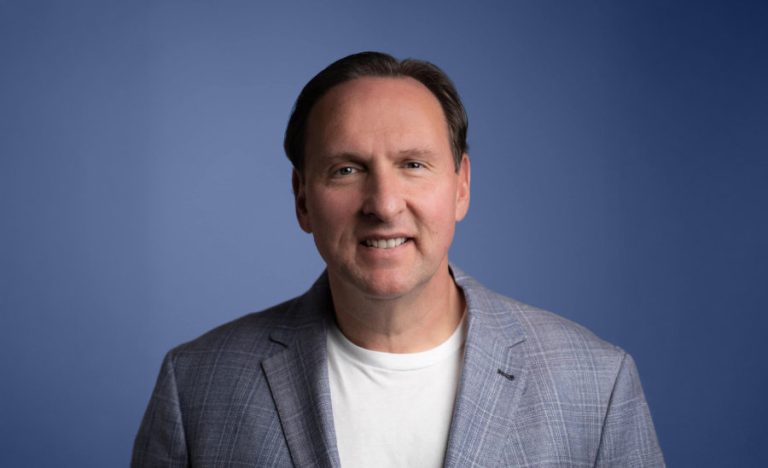
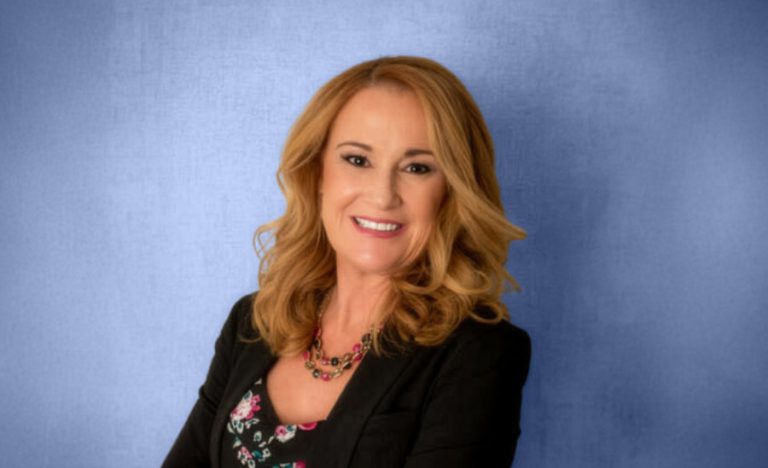
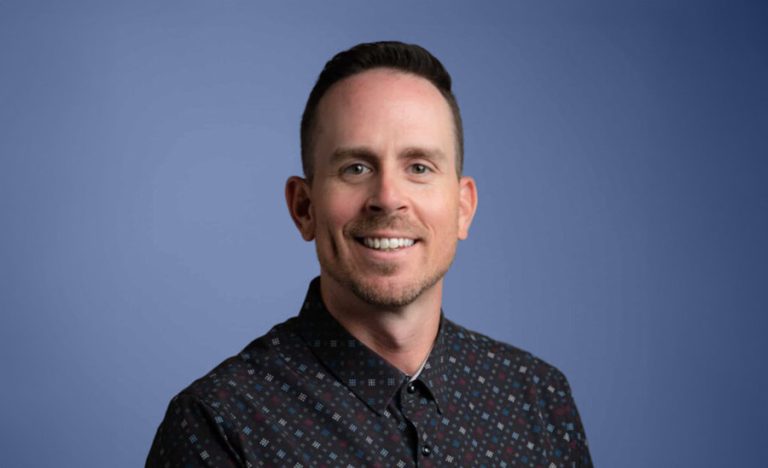
Meet Our Experienced Addiction and Mental Health Intervention Counselors


How do S.A.F.E.® Intervention Services and Family Recovery Coaching Program help your loved one address their Addiction and Mental Health Problems?
As you just read above, the person with a problem must feel and see the need to do something about the issue. At Family First Intervention, hence the name, we start with the family. By dissecting the situation and establishing what is preventing the loved one from seeking help, we can work together to change the environment, allowing the loved one to see things differently. In other words, if we can’t change them, let’s change everything else.
Just about everyone using alcohol or drugs wants help. The act of substance use in and of itself tells us the person does not like how they feel and is choosing the solution of substance use. The goal is to get them to accept a solution that is not devastating. We help the family identify what family roles have formed that may or may not allow their loved one to seek help. In doing this, we transfer ownership of the problem to its rightful owner. It is not until your loved one owns the consequences of the addiction and mental health issues that they will address them. Most people will not fix a problem they do not believe they have. It is hard to see what is going on when sheltered from consequences. Our S.A.F.E.® Intervention services teach families how to effectively communicate, care for themselves, and hold their loved ones accountable. Most interventionists in Missouri and Nationwide only tell you what to do and what not to do. We also explain why you are doing it from a clinical perspective, and there is a vast difference.
Initial Consultation
Our process starts with a phone call to our office. When the family agrees, we move to a family consultation call. We begin the assessment phase after the family has approved the intervention.
Arranging the Treatment Plan and the Logistics for the Intervention
The next step is arranging the treatment plan and the logistics for the intervention. Upon arrival, our interventionist utilizes our S.A.F.E.® Intervention and Family Recovery Coaching manual as a guide.
Face-To-Face Intervention
The following day is the face-to-face intervention with your family, the interventionist, and your loved one. Regardless of the outcome, your family will move into our S.A.F.E.® program for guidance and support. The S.A.F.E.® curriculum consists of weekly family meetings with several support groups offered throughout the week. One-on-one support is available and reserved for families actively engaged in our meetings and support groups. Families are assigned homework assignments to work on goals and process the work they do for themselves outside of the S.A.F.E.® curriculum.
Outside Work for Families
The outside work can include Al-Anon, Families Anonymous, CoDA, A.C.O.A. meetings, marriage and family therapy, and individual counseling. We also encourage families to participate in hobbies and self-care activities. The S.A.F.E.® Addiction and Mental Health Intervention Services and Family Recovery Coaching program is designed to help families take their lives back, regardless of whether their loved one agrees to accept your gift of a second chance at life.
Intervention, Addiction, and Mental Health Resources in Missouri and Nationwide
Families and their loved ones in Missouri with Addiction and Mental Health Disorders have many options. You can choose a local professional for convenience who may or may not be the right fit, but it is convenient and inexpensive. Family First Intervention is a Nationwide Intervention Services company with many interventionists in the United States. Having done interventions since 2005, we have many available resources for families in Missouri and everywhere else in the country. Your local interventionist and even our local interventionist in Missouri may be convenient and not the right fit for your family, loved one, and unique situation. What makes us different is that we can clinically staff your case and choose the interventionist that best checks the boxes that need to be checked. Regarding the treatment resources in Missouri, there may be the right one there for your loved one, and there may not be. Working with a solo interventionist locally does not allow you and your family to consider all options.
Family First Intervention can help families and their loved ones in Missouri and anywhere else they may be with our team, consisting of eighteen interventionists and a dozen internal office employees. Because of this, we have a greater chance of capturing all the available resources to help you and your family much more effectively.