
Service Areas
Addiction and Mental Health Disorder Intervention Services in New Jersey




Interventionists In New Jersey
Families across New Jersey are navigating complex addiction and mental health challenges. Family First Intervention provides a structured path forward.
Our S.A.F.E.® program supports accountability and long-term recovery.


Our team of professional interventionists and intervention counselors helps families of loved ones in New Jersey and Nationwide who need help recovering from drug addiction, alcoholic and mental health disorder concerns.
Families in New Jersey calling about their loved ones often face limited resources. Intervention companies are not as readily available and easily accessible as one would assume. Interventions require family education regarding dysfunctional family systems, codependency, enabling, addiction, and mental health education. Families who only seek to have someone talk their loved one into treatment without addressing the factors that exacerbate the problem often find themselves in the same boat shortly after their loved one promises to go to treatment or returns from treatment.
Like most states, New Jersey faces a fentanyl and mental health crisis. Along with methamphetamine use and alcohol use increasing in New Jersey year over year, families and substance users often do not know where to turn. Addiction and mental health treatment are not as simple as checking into a treatment facility or outpatient clinic. If the environment that prolonged the process is not addressed, chances are excellent that history will repeat itself. Families are not directly responsible for drug addiction, alcohol problems, or mental health disorders. That said, we find that families often contribute to the problem unbeknownst to them by the way they attempt to repair the situation. For some families, inaction can be worse than trying nothing at all.
Family First Intervention
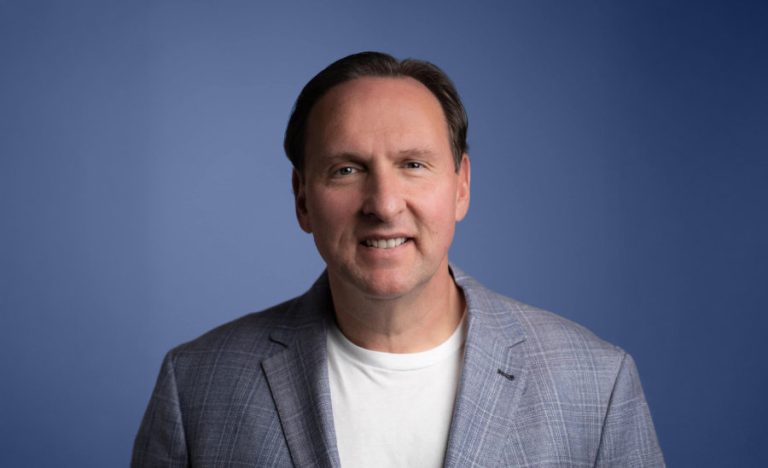
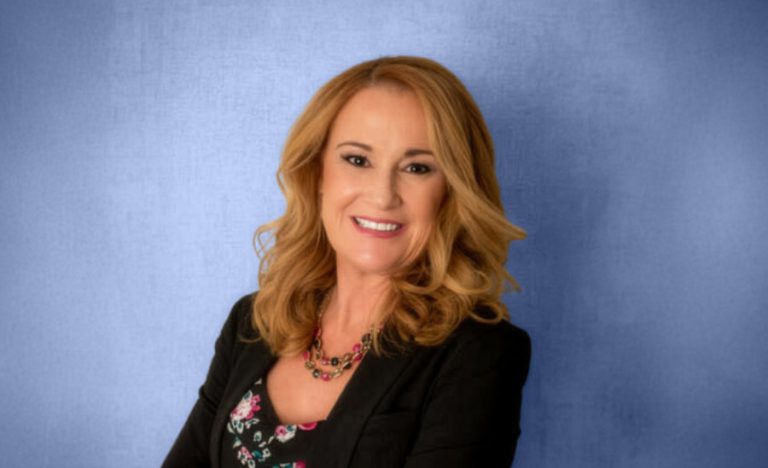
Meet Our Experienced Addiction and Mental Health Intervention Counselors


Addiction and Mental Health Intervention Resources in New Jersey.
Families told that nothing can be done until their loved one asks for help, wants help, or hits bottom could be left hopeless and helpless. These statements have some truth, and the solution is much more significant. When searching for interventionists in New Jersey or elsewhere in the nation, many people often stumble upon treatment center websites. Anyone who has called a treatment center has probably heard the comments above, and families can give up after many attempts for answers. Telling people their loved one has to want help, ask for help, or hit bottom and offering no solutions can send families into a waiting game. Local therapists, counselors, psychiatrists, and doctors in New Jersey are neither interventionists nor equipped to handle the scope of a professional intervention. Addiction and mental health disorder interventions have many moving parts and require a team of professionals. Suppose the family is only interested in someone talking their loved one into treatment. In that case, they need to look no further than their local Alcoholics Anonymous or Narcotics Anonymous meeting hall for the members to provide a 12-step call free of charge.
Addiction and mental health problems are more significant than just quitting drugs and alcohol or dialing in your mental health medication. To treat addiction and mental health, we have to look at everything. If the addict, alcoholic, or loved one with a mental health disorder is the only part addressed, then we are missing a big piece of the puzzle. Whether the family is in New Jersey, somewhere else in the tristate area, or anywhere else in the nation, resources for full-scale intervention companies with an entire family curriculum are scarce.
Initial Consultation
Our process starts with a phone call to our office. When the family agrees, we move to a family consultation call. We begin the assessment phase after the family has approved the intervention.
Arranging the Treatment Plan and the Logistics for the Intervention
The next step is arranging the treatment plan and the logistics for the intervention. Upon arrival, our interventionist utilizes our S.A.F.E.® Intervention and Family Recovery Coaching manual as a guide.
Face-To-Face Intervention
The following day is the face-to-face intervention with your family, the interventionist, and your loved one. Regardless of the outcome, your family will move into our S.A.F.E.® program for guidance and support. The S.A.F.E.® curriculum consists of weekly family meetings with several support groups offered throughout the week. One-on-one support is available and reserved for families actively engaged in our meetings and support groups. Families are assigned homework assignments to work on goals and process the work they do for themselves outside of the S.A.F.E.® curriculum.
Outside Work for Families
The outside work can include Al-Anon, Families Anonymous, CoDA, A.C.O.A. meetings, marriage and family therapy, and individual counseling. We also encourage families to participate in hobbies and self-care activities. The S.A.F.E.® Addiction and Mental Health Intervention Services and Family Recovery Coaching program is designed to help families take their lives back, regardless of whether their loved one agrees to accept your gift of a second chance at life.
What is our S.A.F.E.® Intervention & Family Recovery Coaching Program?
Our Self-Awareness Family Education Program is a team of professionals in the office and the field. It starts with a phone call. Once the family agrees to a family consultation, we discuss the case and intervention strategies. Once we accept your case and after the intervention is scheduled we move to the assessment and treatment planning phase. Addiction, mental health, and family roles are discussed in the clinical assessment. After the interventionist has performed the in-person intervention in New Jersey, or anywhere your family is located or requests for the location of the intervention we move your family into our structured after care program. Whether your loved one accepts help, we help support your family.
Families need support after the intervention regardless of the outcome. An interventionist who operates alone can’t provide this service no matter how much they try to convince you they can. Addiction and mental health interventions require far more work and resources afterwards. We understand an intervention’s complexity and have built a nationwide curriculum to support it. Whether your family is in New Jersey or not, the S.A.F.E.® Family program support after the intervention is made available to you. We have repeatedly seen that regardless of the outcome families can recover and heal from their loved ones addiction or mental health disorder by taking care of themselves. Educated and empowered families are in a much better place to navigate the struggles of a loved one who is an alcoholic, has a drug addiction or a mental health disorder.