
Service Areas
Addiction and Mental Health Disorder Intervention Services in Rhode Island



Interventionists In Rhode Island
Families in Rhode Island often struggle to intervene effectively. Family First Intervention provides clarity and structure.
Our S.A.F.E.® program supports accountability and long-term change.


Families in Rhode Island and Nationwide can Help their Loved Ones through our S.A.F.E.® (Self Awareness Family Education™) Intervention Services before their Loved One Reaches Their Bottom due to Addiction and Mental Health Disorders.
The bottom is not something you hit; it is something you feel. Although consequences can get you into treatment, sometimes, they are not enough to keep you sober. The reason is that although the consequences can be enough for someone to stay engaged in recovery, the belief that the consequences won’t happen again drives people back into drug addiction and alcoholism. Our addiction and mental health intervention services in Rhode Island and Nationwide help families learn how to continue to hold their loved ones accountable and work their recovery program. In doing so, they can assist their loved one in being reminded of the consequences they often forget about. When families do this long enough into the loved ones’ recovery program, the data support a significant increase in successful outcomes. We are not implying that you beat them over the head for the heartache they caused the rest of their lives. What we are saying is that families who get healthier and enter recovery for the family roles they played can help set boundaries and learn an understanding of addiction and mental health behaviors, and relapse warning signs. The acquired knowledge can help your loved one remain accountable until their behavioral changes become sustainable in a continued recovery program.
The bottom is not the same for everyone, including the family. Some families tolerate addiction and mental health issues much longer than others. Some families never address the problem at all. The sooner a family acts, the sooner they allow their loved one the opportunity for growth and healing. Your loved one with addiction and mental health struggles will most likely not wake up one day and say I have had enough when the status quo remains the same; it may happen once in a blue moon, which is doubtful. When families learn how to change their behaviors that may contribute to the stagnant or worsening problem, they take their lives back regardless of their loved ones’ decision of inaction. Many families in Rhode Island who are or were engaged in our S.A.F.E.® Family Intervention Services curriculum said they were afraid to move on in their recovery, believing they would leave their loved ones behind. Even if this were true, is it okay to stay miserable because someone else has decided to do the same? If you were to go that route, you would be textbook codependent, and neither side would have a chance to improve the quality of their life.
It may be time to stop the insanity and break the cycle of dysfunction in your family system. If you expect your loved one to address their addiction or mental health, your family should be ready to address the roles they played, too.
Family First Intervention
Meet Our Experienced Addiction and Mental Health Intervention Counselors
Michael Spruce
Director of Business Development
Read Bio
Philip Chip Winfrey
Intervention Coordinator
Read Bio

Tammy Lawrence
Intervention Coordinator
Read Bio
Mike Loverde MHS, CIP
Clinical Director & Founder, Family First Intervention
Read Bio
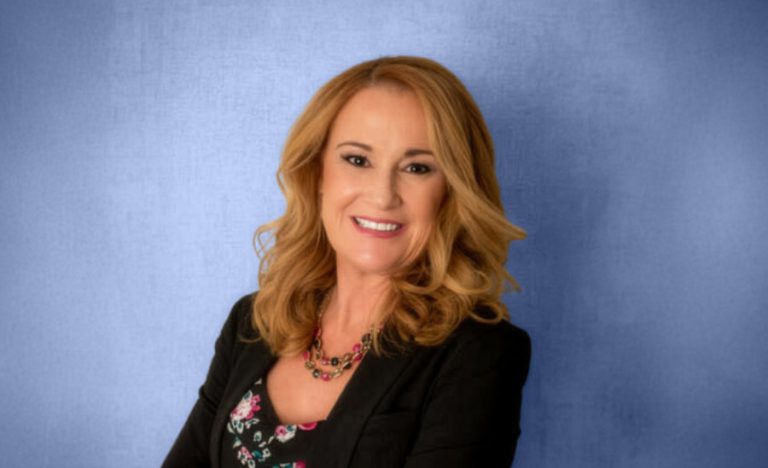
Lisa Loverde CADC
CFO & Compliance Officer
Read Bio
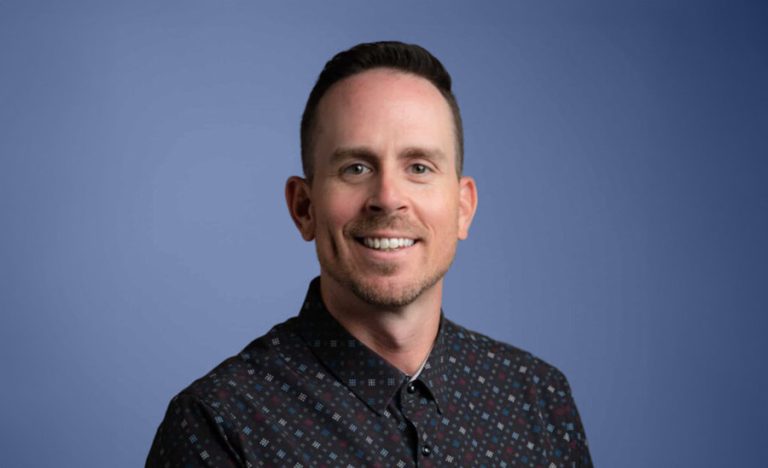
Adam Faulkner
CEO
Read Bio

Amy Cooper ICADC, NCACIP
Family Liaison
Read Bio
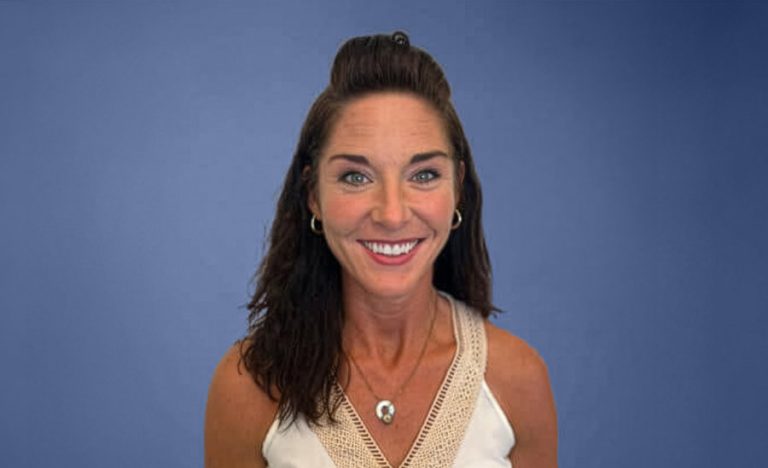
Meghan Gaydos MA
S.A.F.E.® Family Recovery & Post Intervention Support
Read Bio

Families in Rhode Island Do Not Have to Wait For their Loved Ones to Ask for Help.
It is not uncommon for families and those with addiction and mental health problems to believe that unless someone asks for help or wants help, the conditions will not improve. It is not only dangerous to tell someone but also downright incorrect. Most people who go to treatment or families who bring in addiction and mental health interventionists do so for external reasons. External reasons are the consequences and the symptoms of the problem. A comprehensive intervention services curriculum or a dual diagnosis treatment center aims to address the internal reasons for addiction and mental health. The internal reasons are behaviors, past experiences, trauma, and perception. Rarely does someone go to treatment or a family call an interventionist for internal reasons; it is almost always the external that prompts the temporary change. Notice we used the word temporary. The recovery and intervention outcome will be brief if we do not understand the underlying problem.
Just like with an intervention. If your interventionist in Rhode Island or anywhere else they are coming from is only coming to temporarily talk your loved one into treatment and not address why the family allowed things to carry on this long, then recovery for both family and loved one will be short-lived. Families often allow things to carry on because they wait for their loved ones to make the first move and ask for help. As referenced in this article and throughout our website, people who do not think or feel they have a problem or that it is not that bad will not address it. Families who are enablers, codependent, and not on the same page due to unhealthy family roles and relationships prevent their loved ones from seeing the need to ask for help. Our S.A.F.E.® Addiction and Mental Health Intervention Services in Rhode Island and Nationwide help families help their loved ones by changing why they do not see the need to do anything different. Families can help themselves and their loved ones by asking for help first and not waiting for their loved ones to make the first move.
Initial Consultation
Our process starts with a phone call to our office. When the family agrees, we move to a family consultation call. We begin the assessment phase after the family has approved the intervention.
Arranging the Treatment Plan and the Logistics for the Intervention
The next step is arranging the treatment plan and the logistics for the intervention. Upon arrival, our interventionist utilizes our S.A.F.E.® Intervention and Family Recovery Coaching manual as a guide.
Face-To-Face Intervention
The following day is the face-to-face intervention with your family, the interventionist, and your loved one. Regardless of the outcome, your family will move into our S.A.F.E.® program for guidance and support. The S.A.F.E.® curriculum consists of weekly family meetings with several support groups offered throughout the week. One-on-one support is available and reserved for families actively engaged in our meetings and support groups. Families are assigned homework assignments to work on goals and process the work they do for themselves outside of the S.A.F.E.® curriculum.
Outside Work for Families
The outside work can include Al-Anon, Families Anonymous, CoDA, A.C.O.A. meetings, marriage and family therapy, and individual counseling. We also encourage families to participate in hobbies and self-care activities. The S.A.F.E.® Addiction and Mental Health Intervention Services and Family Recovery Coaching program is designed to help families take their lives back, regardless of whether their loved one agrees to accept your gift of a second chance at life.
Resources in Rhode Island for Addiction and Mental Health Intervention Services
Although a small state geographically, Rhode Island and its neighboring states and areas have many resources for Interventionists, addiction, and mental health services. Like all the states we service, even if you have resources in your area, there may be better resources elsewhere. Families are often stuck on bringing in a local professional, believing somehow that is better for them. Interventionists, whether local or out of state, do not hang around your area for you when you need them. Interventionists are like triage; they come in, get the job done, and leave. The protocol is similar whether they are from across the country or the street. What makes interventionists different is the size and scope of their team and the family support afterward. Family First Intervention is Nationwide and locally services Rhode Island. We may not send you our local professional based on your family dynamics and your loved ones’ addiction and mental health assessment. Regardless of who comes, you will enter our S.A.F.E.® Family curriculum afterward, making the most significant difference in outcomes.
You have treatment centers in Rhode Island, many doing similar programming. Why would you have to leave the area for successful treatment when you have helpful resources there? You may not, and it all depends on the situation and the assessment. When you hire a professional intervention services team rather than a solo interventionist, you have options that are explained and understand the reasons behind the recommendations. Most people who attend treatment locally do not stay and complete treatment. The ratio of treatment completion out of state versus locally is ten to one because it dramatically reduces the risk of the person with addiction and mental health problems leaving A.M.A. (against medical advice).
A one-person interventionist cannot do all that is required to fulfill the requirements of a clinical intervention, nor do they have the resources to support your family afterward. When your family is ready to thoroughly address the underlying reasons for the current situation with the most significant opportunity for a successful outcome, we are prepared to help. Always remember that an intervention is far more in-depth than a local person in recovery coming to your home or coaching you over the phone to talk your loved one into a local program. There is so much more for only one or two people to handle and for your family to take back their lives and give your loved one back theirs.