
Service Areas
Addiction and Mental Health Disorder Intervention Services in South Carolina



Interventionists In South Carolina
Families across South Carolina are facing growing challenges related to addiction and mental health. Family First Intervention helps families take action.
Our S.A.F.E.® program focuses on structure and lasting recovery.


Our S.A.F.E.® (Self Awareness Family Education™) Mental Health and Addiction Intervention Services Curriculum provides families in South Carolina and across the country the opportunity to improve their relationship with their loved ones, other family members, and themselves.
How often has someone asked you how your loved one struggling with addiction and mental health is doing? How often has someone asked you, as the affected family member, how you are doing? Already knowing the answer, we would like to change that. Even if nobody asks, we aim to help you feel better as a family. Our intervention services in South Carolina and anywhere else in the country undoubtedly focus on your loved one entering treatment for their addiction, mental health, or dual diagnosis. We know we can’t get them there, keep them there, and have them complete treatment unless things in the family change, too. Family recovery, family self-care, addiction and mental health behavior education, and communication skills are vital to the recovery process for your loved one. Many people reading this have given up hope because their loved one has been treated multiple times with little to no positive change. There may be a reason for that.
Whether your loved one accepts help for their addiction and mental health disorders, the family can get and run with the available support and resources. Codependency means living in tandem with another’s well-being. Believing if they feel better, I feel better; if they feel worse, I feel worse, must stop for things to improve. Addiction and mental health are not victimless crimes, affecting many people in their wake. If your loved one will not get better, the family still can. We have learned that when the family improves, the loved one often will, too. When the family gets healthy, sets boundaries, holds their loved one accountable, and learns how to communicate effectively, it tremendously increases the likelihood of their loved one addressing the problem. Whether your family or your loved one is in South Carolina, we can help. Our nationwide Addiction and Mental Health Intervention services give families their lives back first, so they may help assist their loved ones in getting their lives back soon after.
Family First Intervention
Meet Our Experienced Addiction and Mental Health Intervention Counselors
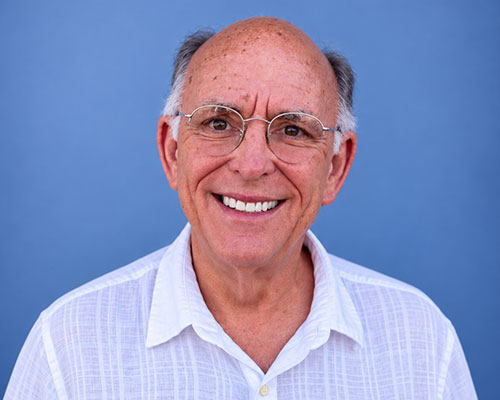
Michael Spruce
Director of Business Development
Read Bio
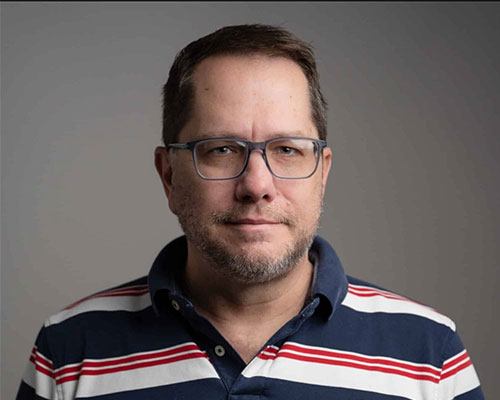
Philip Chip Winfrey
Intervention Coordinator
Read Bio
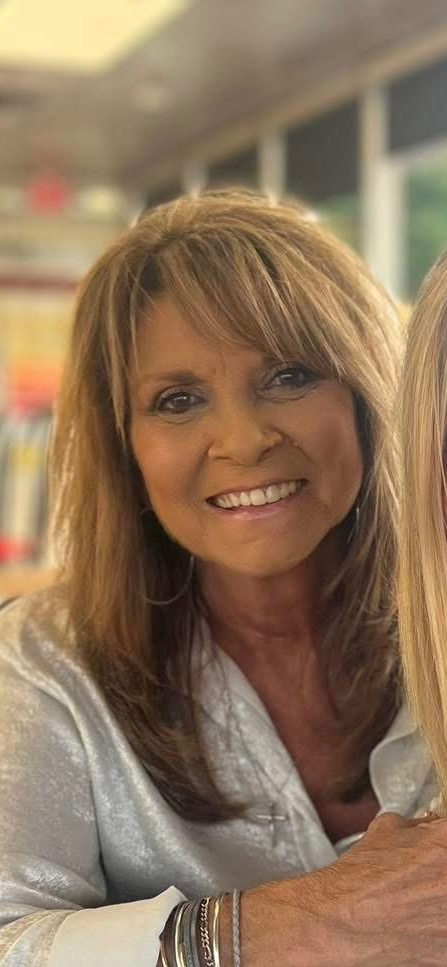
Tammy Lawrence
Intervention Coordinator
Read Bio
Mike Loverde MHS, CIP
Clinical Director & Founder, Family First Intervention
Read Bio
Lisa Loverde CADC
CFO & Compliance Officer
Read Bio
Adam Faulkner
CEO
Read Bio

Amy Cooper ICADC, NCACIP
Family Liaison
Read Bio
Meghan Gaydos MA
S.A.F.E.® Family Recovery & Post Intervention Support
Read Bio

How our S.A.F.E.® Intervention Services for Family, Addiction, and Mental Health Work.
When we first started our Family Recovery Coaching Curriculum, you could not find the word family on the websites of other interventionists. South Carolina and nationwide interventionists primarily focus on talking your loved one into treatment. Over the years, interventionists jumped on the bandwagon and claimed to offer family programming watered down with psychoeducation and the dos and don’ts of enabling. Other interventionists offer it and charge you additional fees anytime you need support or have questions after the intervention. We are not trying to smear the reputation of interventionists, as many do a superior job of talking people into treatment. What most can’t do and what many say they do and do not do is offer a complete family program during and after the intervention.
Our S.A.F.E.® Intervention Services in South Carolina and beyond start with the pre-intervention meeting with all family members who choose to participate. We process the addiction and mental health behaviors of your loved one and the behaviors and dysfunctional family roles that may be preventing change for all involved. Our Intervention Services are not a two-hour session of stating the obvious about enabling and tough love, followed by a letter-writing guide straight from the intervention television show. Our letter format differs from others, and we do not scold your loved one; we love and engage them. The whole time we train your family, we prepare you for what happens after the intervention. Families often believe the hard part is the face-to-face interaction with their loved one; that is the easy part. The hard part for families is the change after the intervention. The family’s struggles and reactivity after the intervention are so volatile that we have a team of professionals to guide and support you. Any interventionists who say they can do this must have at least five additional staff members just for the support.
In addition to our S.A.F.E.® Family Recovery Coaching and support, we offer weekly groups. We collaborate with your loved one’s treatment team and bring you into the decisions. Most treatment centers and interventionists let those with addiction and mental health issues determine their length of stay, treatment plan, and discharge plan. Most of you reading this already know how that story ends; for those who do not know how it ends, we will tell you it doesn’t end well. We aim for families to have a voice and a say in what happens next. Just because your loved one’s therapist says they think your loved one is ready to come home does not mean the family is prepared for their return. Our Addiction and Mental health intervention services offer this and much more. Whether your family or loved one is in South Carolina or elsewhere, we help you with the heavy lifting after the intervention when most interventionists run away.
Initial Consultation
Our process starts with a phone call to our office. When the family agrees, we move to a family consultation call. We begin the assessment phase after the family has approved the intervention.
Arranging the Treatment Plan and the Logistics for the Intervention
The next step is arranging the treatment plan and the logistics for the intervention. Upon arrival, our interventionist utilizes our S.A.F.E.® Intervention and Family Recovery Coaching manual as a guide.
Face-To-Face Intervention
The following day is the face-to-face intervention with your family, the interventionist, and your loved one. Regardless of the outcome, your family will move into our S.A.F.E.® program for guidance and support. The S.A.F.E.® curriculum consists of weekly family meetings with several support groups offered throughout the week. One-on-one support is available and reserved for families actively engaged in our meetings and support groups. Families are assigned homework assignments to work on goals and process the work they do for themselves outside of the S.A.F.E.® curriculum.
Outside Work for Families
The outside work can include Al-Anon, Families Anonymous, CoDA, A.C.O.A. meetings, marriage and family therapy, and individual counseling. We also encourage families to participate in hobbies and self-care activities. The S.A.F.E.® Addiction and Mental Health Intervention Services and Family Recovery Coaching program is designed to help families take their lives back, regardless of whether their loved one agrees to accept your gift of a second chance at life.
Resources for Interventionist, Addiction, and Mental Health in South Carolina
It is common for families and those with addiction and mental health problems to seek solutions that they feel are non-confrontational and easy. Many effective treatment and intervention strategies are not easy; if they were, everyone would act on them, and success rates for recovery would be much higher. Families who are flooded and emotionally torn apart seek addiction and mental health resources through a distorted lens. People with mental health disorders and addictions to alcohol and drugs do the same. To navigate the available resources in South Carolina for interventionists, addiction, and mental health treatment, you require a third party who is not biased or emotionally attached to the situation. Our professional interventionists, intervention coordinators, and family recovery coaches in South Carolina and nationwide are experienced and unbiased. We help you make the hard decisions that feel uncomfortable. If the resources and options are easy and comfortable, the outcome won’t be.
Your family has choices, and those choices come with outcomes. Hiring a local interventionist with no support staff that charges you to help them afterward is not an interventionist. They are getting paid for a free service offered through Alcoholics and Narcotics Anonymous. Addiction and Mental health is not a victimless crime; it affects people that love the one struggling the most. Our Nationwide Addiction and Mental Health Intervention Services in South Carolina help you with all the available resources, not just the ones that are an easy sell that feeds the codependent narrative. There are no painless shortcuts to intervention, addiction, and mental health treatment.