
Service Areas
Addiction and Mental Health Disorder Intervention Services in Wyoming



Interventionists In Wyoming
In Wyoming, families often face distance and limited resources when addressing addiction and mental health. Family First Intervention provides clarity and structure.
Our S.A.F.E.® program supports lasting recovery through family involvement.


Our S.A.F.E.® (Self Awareness Family Education™) Addiction and Mental Health Intervention Services in Wyoming Help Families and their Loved Ones who do not Want Help and have not Hit Bottom.
Families in Wyoming do not have to wait for their loved ones to ask for help, want help, or hit bottom. Families often wait for these things to happen while the loved one has convinced them that if they try to make them go to treatment, attend an intervention, get help, ask them to leave home, set boundaries, etc., there will be consequences. What often happens is that families are the ones who are getting to their bottom, want help, and are afraid to rock the boat. The majority of the families in Wyoming that contact us are regarding a loved one using alcohol, fentanyl, methamphetamines, or having mental health disorders. Regardless of the diagnosis, what all families have in common is their loved one’s resistance to treatment and unwillingness to change and advocate for their care. Why should families wait for the loved one to make the first move? The answer is that they are not supposed to and can start the intervention services process without their loved ones’ permission or knowledge.
The last sentence in the above paragraph may have made you cringe. Families often have lost the ability to believe they can do something for themselves. Loved ones with addiction and mental health issues frequently beat families into a state of guilt, shame, hopelessness, fear, and victimization, which leads families to wait for their loved ones to make the first move. It is almost as if a passive-aggressive tone is set by the loved one who says, try something different, and you’ll pay. Although it is not verbally stated in most cases, it is implied by manipulation and other threats. Your loved one has you right where they need you. As you and your family allow things to continue on their terms, they stay comfortable in their situation, and your family does not. How will they feel at the bottom, ask for help, or want help if they are comfortable? How is it you can’t get help for yourselves as a family? Families must stop letting their loved ones and other family members talk them out of taking action that is effective. Waiting for that magical moment will likely not happen unless the family makes the first move.
Always remember that what appears comfortable to them may not be comfortable to you. In other words, do not assume their perceived comfort by your standards. If they were uncomfortable, you would not be reading this; they would be doing something different.
Family First Intervention
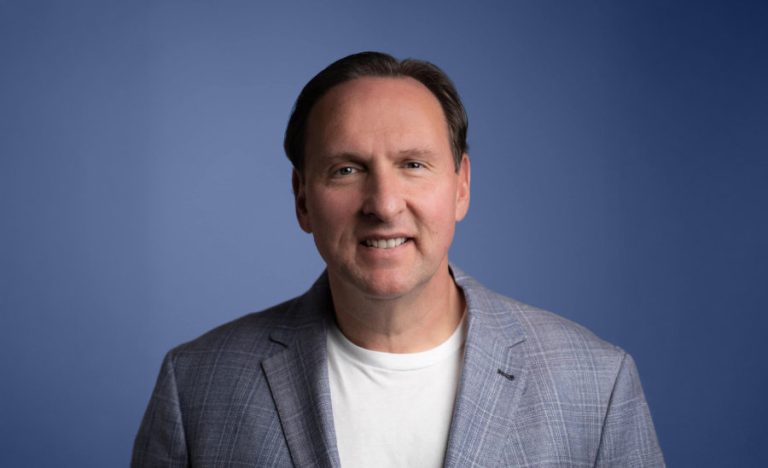
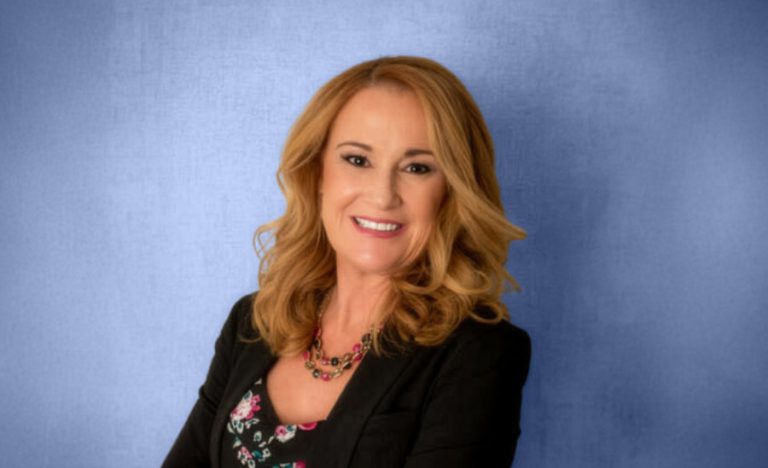
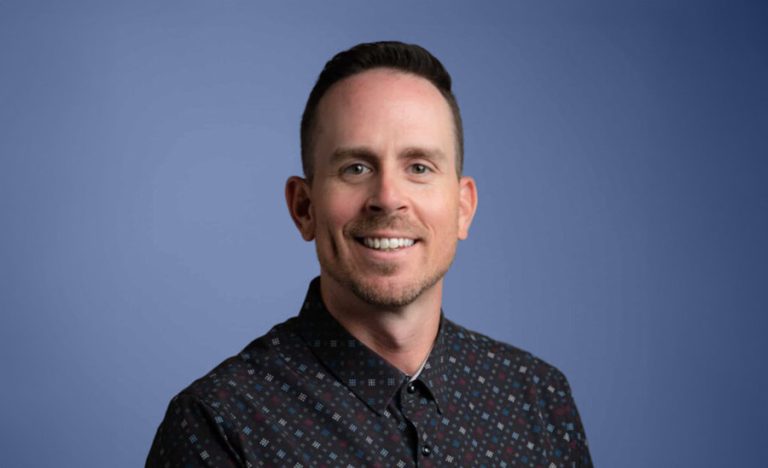
Meet Our Experienced Addiction and Mental Health Intervention Counselors


How our S.A.F.E.® Intervention Services in Wyoming and Elsewhere Work.
In the last paragraph of the previous section, we stated that you must stop letting other family members talk you out of acting. Do family members do this? Yes, all the time. When a family member has an addiction or mental health disorder that causes stress and anxiety to the whole family, each family member will react differently and acquire a maladaptive family role. These roles become counterproductive to the loved one with addiction and mental health disorders, from wanting help, asking for help, or hitting bottom. Our S.A.F.E.® addiction and mental health intervention services address these family roles in our curriculum in Wyoming and elsewhere. Interventions are far more than what you see on television and are not coercive speech provided by someone who has been in your loved one’s shoes. Although this part of the intervention services process is essential, it is a small piece of the curriculum.
Addiction and mental health interventions start with helping the family first. Our S.A.F.E.® curriculum starts with providing families with psychoeducation and awareness of addiction, mental health, and family systems. Other goals of our interventionists, when they are with you, are to help your family see what detachment is and how codependency and enabling can disable your loved one from asking for help, wanting help, or hitting bottom. We have always found it interesting that people wait for their loved ones to want help or feel the consequences, while preventing both. Families do not do this methodically or with ill-will intent. Unhealthy family behavior can prevent your loved one from seeking help. Our S.A.F.E.® Intervention Services help families do more of what works and less of what doesn’t. There is always something a family can do differently and collaboratively that changes the environment for their loved one, which paves the way for seeing the need for change. People do not make a change unless the consequences of the current situation become more significant than the benefits. If your loved one does not think they have a problem that needs to be addressed, they believe there is nothing to address.
We do not change your loved one; we change the situation to hold them accountable, and then they change. There is something to address once the problem becomes theirs and theirs alone. Why would they fix a problem they do not think is theirs? Up until an intervention, the loved one with addiction and mental health is often entitled, stubborn, and thinks they are a victim and that everyone else needs to do something different, not them. They frequently believe that if they could get everyone and everything to agree with them, all would be well. Thinking this way is why they do not want help and hit bottom. Families believe this is why they are waiting for their loved ones to make the first move. Those who think an intervention is nothing more than an interaction between your loved one and the person trying to inspire them to change are an even bigger problem. Interventions are not interactions and motivational speeches. Interventions are clinical instruments and strategies professionals use to address an issue and meet specific goals of improving the situation while moving towards a successful outcome.
Initial Consultation
Our process starts with a phone call to our office. When the family agrees, we move to a family consultation call. We begin the assessment phase after the family has approved the intervention.
Arranging the Treatment Plan and the Logistics for the Intervention
The next step is arranging the treatment plan and the logistics for the intervention. Upon arrival, our interventionist utilizes our S.A.F.E.® Intervention and Family Recovery Coaching manual as a guide.
Face-To-Face Intervention
The following day is the face-to-face intervention with your family, the interventionist, and your loved one. Regardless of the outcome, your family will move into our S.A.F.E.® program for guidance and support. The S.A.F.E.® curriculum consists of weekly family meetings with several support groups offered throughout the week. One-on-one support is available and reserved for families actively engaged in our meetings and support groups. Families are assigned homework assignments to work on goals and process the work they do for themselves outside of the S.A.F.E.® curriculum.
Outside Work for Families
The outside work can include Al-Anon, Families Anonymous, CoDA, A.C.O.A. meetings, marriage and family therapy, and individual counseling. We also encourage families to participate in hobbies and self-care activities. The S.A.F.E.® Addiction and Mental Health Intervention Services and Family Recovery Coaching program is designed to help families take their lives back, regardless of whether their loved one agrees to accept your gift of a second chance at life.
Information about Addiction and Mental Health Interventionists in Wyoming
As stated above, addiction and mental health intervention services are not speeches and interactions between two people. The interaction is a small part of the process. Interventionists in Wyoming and elsewhere who charge large amounts of money to come to your home and do this are not interventionists, although they will call themselves that. A solo person working out of their home with a small website, no professional liability insurance, no family aftercare, and no staff are interventionists. If a family desires this scenario, this is a free service offered by Alcoholics and Narcotics Anonymous as part of service work. All you must do is go to your local meeting hall and ask the members to talk to your loved one for free. Professional interventionists are entirely different and do not center the intervention around the speech.
Families often look for a solution as their loved ones do. The approach is usually with the path of least resistance and what is most comfortable. People with addiction and mental health would like to do as little as possible with the least amount of work and confrontation, and families often want the same. A local interventionist who sounds convenient and comfortable may not be the best fit for your family and your loved one. Many need to understand that your interventionist can be somewhere other than local, and even if they are, they will not hang around and be there at your beck and call. Interventions happen after the interaction with your loved one. The meeting between your loved one and the person speaking with them is the interaction, and that is all your local person can offer. Even if you hire a local interventionist, they will not come over and continue ongoing family support in person, if they even provide that at all. It would be best to look for a full intervention services curriculum with collaboration between family aftercare and treatment centers. Problems will arise whether your loved one accepts help, and you will need help and support.
When you hire an interventionist in Wyoming, please consider the big picture. Ask who you are hiring, how many people they have working for them, and what the family aftercare program is like. Ask them if they are insured, have a website, and an office. Ask them if they will have weekly meetings with your loved ones’ treatment team and weekly meetings with you. See if they offer several support groups to help you and your family recover. Ask if they do individual sessions when you and your family are struggling. Inquire about ongoing hidden fees when, not if, ongoing support is required. Ask your solo interventionist how they will help you when you need them, and they are with another family, on a plane, or simply unavailable. The point we are making is that the term interventionists has been taken way out of context by society and people who are not interventionists themselves just because they come to your home to provide your loved one with a speech. Do you want one person to help them at the treatment center? Since we know the answer is no, we assume you do not wish to have only one person helping you and your family. Interventions require a team of interventionists, counselors, coaches, coordinators, and support staff, just like a treatment center for your loved one.