
Service Areas
Addiction and Mental Health Disorder Intervention Services in Kentucky



Interventionists In Kentucky
Families across Kentucky are facing increasing challenges related to substance use and mental health. Family First Intervention helps families take meaningful action.
Our S.A.F.E.® program supports families in creating structure and long-term recovery outcomes.


Our S.A.F.E.® (Self Awareness Family Education™) Intervention Services in Kentucky Help Your Family with Your Loved Ones Struggling with Addiction and Mental Health Disorders Want Help Before They Reach Their Bottom.
Chances are excellent, providing you have a loved one struggling with addiction or mental health issues and have heard at least once that your loved one must want help, ask for help, or hit bottom if anything is to change. As professionals, we agree and cringe at the comment. Someone must wish to help, ask for help, and feel consequences to see the need to do something different. The problem with this statement is that it is not helpful; it empowers the one with addiction and mental health issues in a harmful way, it takes all power and hope from the family, and it is potentially fatal. Telling someone all they can do is wait for their loved one to die is downright sad, foolish, and tragic because that is essentially what they are saying. It is overwhelmingly rare that anyone wakes up one day without something happening, and not for the better, and says today is the day I will turn my life around. Every single person who addresses their addiction or mental health has an intervention in some capacity. In other words, a significant event or feeling prompts one to do something differently. As professionals, we know these events often come from the environment, and the environment is one of the number one predictors of successful outcomes in addiction and mental health treatment. Family is always, yes, an absolute and always influences the effects of the environment. When we address the family that significantly impacts their environment, we can help someone ask for help, want help, feel the bottom, and understand the need for change.
There are two ways a person with an addiction or mental health problem looks at the issue: externally and internally. Rarely does someone initially address their problem through internal forces. External reasons, in other words, consequences, drive people to make a change. Of course, the external effects influence the internal. External influences wear off quickly, and self-manipulations and justifications are often the causes of external influences being unsustainable. At some point, internal reasons must be the focus of why things need to change. The job of a treatment team is to help their patients overcome their external reasons for being in treatment and address the internal reasons for where and why they need help. Knowing this is why it is important to remember that the bottom is not something you hit; it is something you feel. So, the next time someone says you have to wait for them to ask for help, want help, or hit bottom, your response can be, “So how do you propose they get there?”
Family First Intervention
Meet Our Experienced Addiction and Mental Health Intervention Counselors
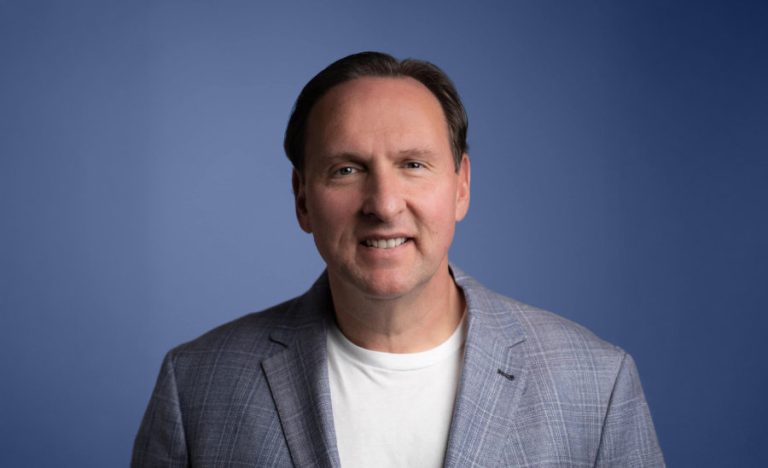
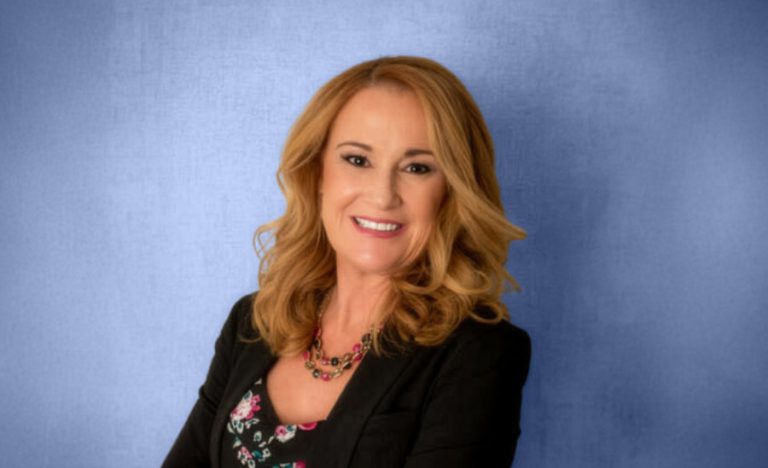
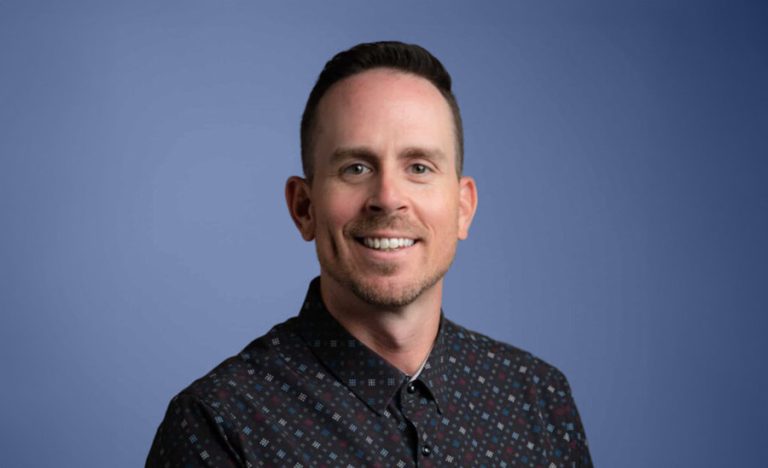


How Our Addiction and Mental Health Intervention Services in Kentucky Can Help Your Family and Loved Ones.
Our S.A.F.E.® Addiction and Mental Health Intervention Services help families who are at their bottom to help their loved ones find theirs. In other words, we address the family system and the environment holding your loved one back from wanting help, asking for help, or hitting and feeling their bottom. People can forget that the driver of mental health and addiction is often avoiding the way someone feels and running away from their thoughts. We must remind you that comfort is the goal that is sought. Whether that goal is using substances or attracting empathy and sympathy by playing the victim role, psychological and physical comfort is always desired by the one who needs help. The problem is that comfort does not come for free and is a take with no give. In other words, the more comfortable your loved one tries to be, the more uncomfortable their family becomes.
Families try desperately to find ways to control their loved ones’ addiction and mental health. At some point, the family must understand that their only control is over themselves and nobody else. By way of dysfunctional family roles and maladaptive coping strategies, families often believe their ideas or possible solutions will turn out well. A family trying to navigate the solutions through distorted lenses of emotions, unhealthy family viewpoints, and distorted perceptions is no different than someone with an addiction or mental health disorder attempting the same. We are not saying the family is crazy, has mental health issues, or is impaired by alcohol or drugs. Families cannot mentally and emotionally address the problem themselves without outside, unbiased, professional help. Our S.A.F.E.® Addiction and Mental Health Intervention Services help the family first, so we can all help the loved one with addiction or mental health disorders.
Think about any time you are flooded with such heated arguments with someone. How effective are you at rationalizing or choosing your words wisely? How does perfectionism drive the hero with the only goal of benefiting themselves, or the enabler who feels we are taking away their purpose, capable of helping someone else unselfishly? The answer is they are not qualified. An intervention is not a speech delivered by someone in recovery or an uncle who thinks he knows everything because either they or someone else they know is in recovery. Until a family lets go of their old ideas, they will be unable to learn and adapt to new, healthy behaviors. The same principles apply to a loved one with addiction and mental health disorders. Recovery is not only about how to stay sober or how to address mental health concerns and maintain medication compliance. It is about letting go of old, ineffective ideas that lead to inaction and further destruction. When we help the family first, we can help the family’s loved ones.
Initial Consultation
Our process starts with a phone call to our office. When the family agrees, we move to a family consultation call. We begin the assessment phase after the family has approved the intervention.
Arranging the Treatment Plan and the Logistics for the Intervention
The next step is arranging the treatment plan and the logistics for the intervention. Upon arrival, our interventionist utilizes our S.A.F.E.® Intervention and Family Recovery Coaching manual as a guide.
Face-To-Face Intervention
The following day is the face-to-face intervention with your family, the interventionist, and your loved one. Regardless of the outcome, your family will move into our S.A.F.E.® program for guidance and support. The S.A.F.E.® curriculum consists of weekly family meetings with several support groups offered throughout the week. One-on-one support is available and reserved for families actively engaged in our meetings and support groups. Families are assigned homework assignments to work on goals and process the work they do for themselves outside of the S.A.F.E.® curriculum.
Outside Work for Families
The outside work can include Al-Anon, Families Anonymous, CoDA, A.C.O.A. meetings, marriage and family therapy, and individual counseling. We also encourage families to participate in hobbies and self-care activities. The S.A.F.E.® Addiction and Mental Health Intervention Services and Family Recovery Coaching program is designed to help families take their lives back, regardless of whether their loved one agrees to accept your gift of a second chance at life.
What to Consider When Selecting an Interventionist in Kentucky or Elsewhere
Calling yourself an interventionist does not make you an interventionist. Most of the addiction and mental health interventionists that exist are not licensed, carry any professional insurance, or have an office, a family support program, or staff. Almost all the interventionists are people new in recovery with a passion for helping others, which is great. Many of these people who call themselves interventionists do an excellent job giving speeches to intended patients. The problem is that almost none of them are clinically or professionally versed in family systems or have knowledge of their families of origin. Many can give the Enabling 101 speech and tell you how to “cut them off,” which is about it. You have a paid twelve-step call at the end of the day. So, when you find an interventionist or are referred to one by a treatment center, ask them if they have insurance, ask them if they have an office, and ask them to explain the family support services and how the fees work in the support services.
The point we are trying to make is that an intervention is not a speech. If all you desire is for someone in recovery to come to your house to speak with your loved one, then save your money. Twelve-step members will do that for free as part of their service work. Interventions are clinical instruments to address a problem or behavior and meet a specific goal. An intervention addresses the environment and the family system. An intervention requires many resources and staff to help families afterward. A solo interventionist local in Kentucky or elsewhere cannot offer an intervention; it is impossible if you do it correctly.
When considering an interventionist, please consider your long-term goals. If you only want your loved one in treatment or to admit they have a problem, ask the local twelve-step people to help. If you want a professional intervention lasting for months with family support and education, consider an honest intervention company with insurance, employees, a family program, an office, etc. You have one opportunity to do this correctly: refrain from using that opportunity with a speech from somebody who has no business calling themselves an interventionist. The solo speech approach may help your loved one to a treatment center and will do little to nothing to help your family decide what to do next.