
Service Areas
Addiction and Mental Health Disorder Intervention Services in Massachusetts



Interventionists In Massachusetts
In Massachusetts, families often struggle to balance support and accountability. Family First Intervention helps families take structured, informed action.
Our S.A.F.E.® program focuses on long-term change within the family system.


We provide families in Massachusetts and Nationwide the support and guidance they need before, during, and after the intervention with our S.A.F.E.® Intervention & Family Recovery Coaching Curriculum.
S.A.F.E.® stands for Self-Awareness Family Education. Families in Massachusetts and throughout the United States needing addiction and mental health interventions face few resources. Most interventionists in any local area or major metro area, such as Boston, have interventionists who either operate by themselves or with a small staff. Most of these interventionists are great at what they do: talking your loved one into treatment. Where most fail to deliver an effective intervention is the support necessary after the intervention is complete. Solo interventionists or those who do not have the required staff are simply unable to fulfill the demand of a family’s needs after an intervention.
Many families, whether their loved one accepts help or not, will struggle with reactivity and continue the status quo of acting out drama, chaos, and family dysfunction afterward. It is not if this happens. It is when this happens. An intervention that only focuses on bringing your loved one to treatment is not an intervention but a 12-step call. Families in Massachusetts and anywhere else cannot survive an intervention without support. Some interventionists say they offer support and are either unavailable when you need them or do not deliver enough support. The most significant part of Family First Intervention is our aftercare team. The majority of our resources are devoted to Family Support. The S.A.F.E.® (Self-Awareness Family Education®) curriculum was designed by families who led the way to where they needed the most help. Setting up and executing the intervention requires far fewer resources than addressing the volatility after the intervention.
Family First Intervention
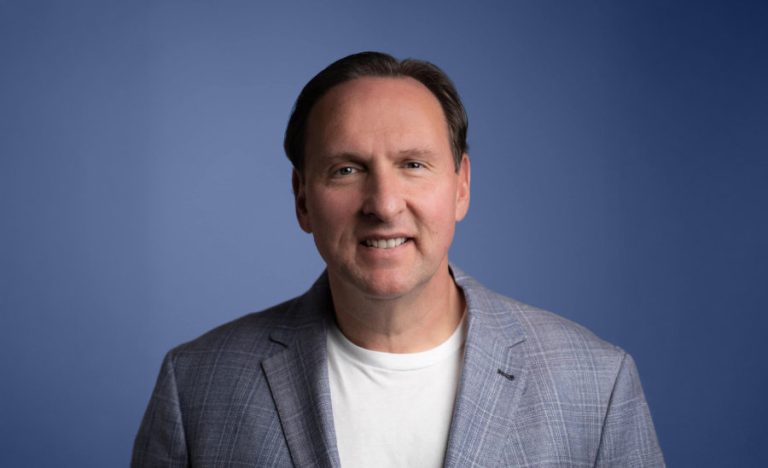
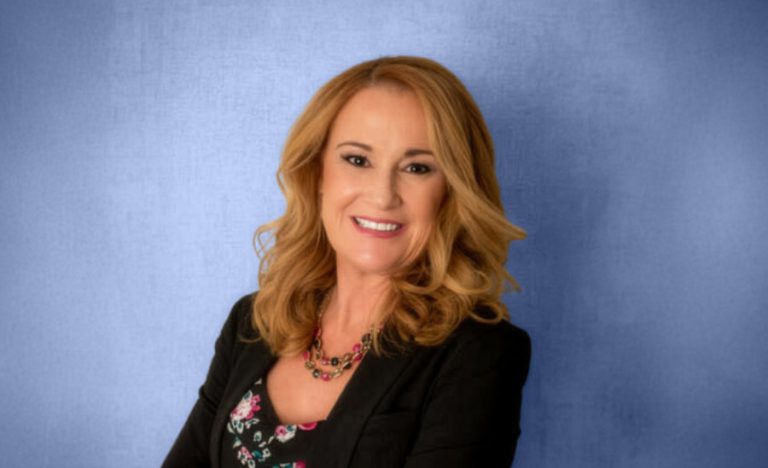
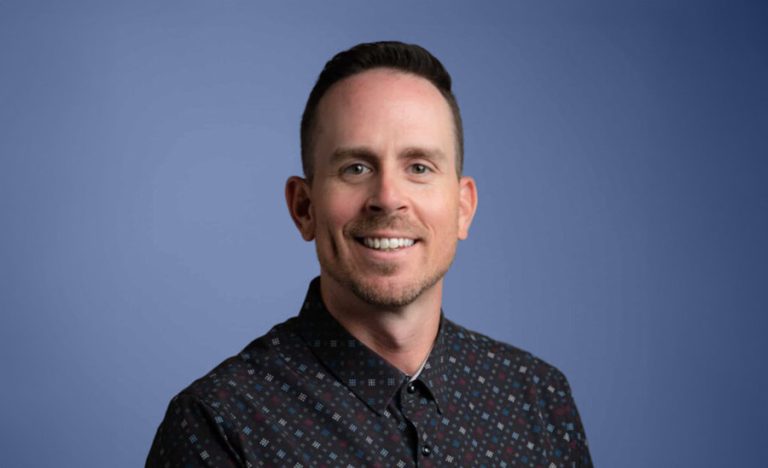
Meet Our Experienced Addiction and Mental Health Intervention Counselors


What we’re seeing with Addiction & Mental Health cases in Massachusetts.
There are a lot of statistics out there concerning addiction and Mental Health. What we have seen is a significant shift over the years. We have seen these shifts in Massachusetts and throughout the United States. Not long ago, we never knew what case would come across our desk. Addiction cases included a little bit of everything. Heroin and prescription drug addiction have turned to Fentanyl, and Cocaine and Crack Cocaine have led to a surge in Methamphetamine use. Alcohol has always been a significant problem and has increased significantly since 2020. We rarely received calls for marijuana, and now we receive several. It is not just marijuana anymore. Marijuana today is frequently laced with other drugs such as meth, fentanyl, or other substances that can lead to psychosis.
Since 2020, we have seen a surge in mental health disorder intervention in Massachusetts and Nationally. We have always had our fair share of mental health interventions, and currently see far more severe mental health and dual diagnosis cases. Many of these concerns result from increased methamphetamine and prescription ADD or ADHD medication abuse. It is not uncommon for families to reach out and believe their loved one has a primary mental health diagnosis, only to find out later the symptoms were either created or exacerbated by some form of alcohol or drug use. Whether mental health is a direct result of alcohol or drug use, we can help families navigate solutions with our intervention services to help them and their loved ones.
Initial Consultation
Our process starts with a phone call to our office. When the family agrees, we move to a family consultation call. We begin the assessment phase after the family has approved the intervention.
Arranging the Treatment Plan and the Logistics for the Intervention
The next step is arranging the treatment plan and the logistics for the intervention. Upon arrival, our interventionist utilizes our S.A.F.E.® Intervention and Family Recovery Coaching manual as a guide.
Face-To-Face Intervention
The following day is the face-to-face intervention with your family, the interventionist, and your loved one. Regardless of the outcome, your family will move into our S.A.F.E.® program for guidance and support. The S.A.F.E.® curriculum consists of weekly family meetings with several support groups offered throughout the week. One-on-one support is available and reserved for families actively engaged in our meetings and support groups. Families are assigned homework assignments to work on goals and process the work they do for themselves outside of the S.A.F.E.® curriculum.
Outside Work for Families
The outside work can include Al-Anon, Families Anonymous, CoDA, A.C.O.A. meetings, marriage and family therapy, and individual counseling. We also encourage families to participate in hobbies and self-care activities. The S.A.F.E.® Addiction and Mental Health Intervention Services and Family Recovery Coaching program is designed to help families take their lives back, regardless of whether their loved one agrees to accept your gift of a second chance at life.
Family Support and Resources in Massachusetts After the Intervention
The pre-intervention family day and the intervention that follows the next day is in person with our interventionist. Those who cannot attend due to unavoidable circumstances may be able to participate virtually. After the intervention, you can fulfill our S.A.F.E.® (Self-Awareness Family Education®) Intervention & Family Recovery Coaching program from your home in Massachusetts or anywhere else you may be. Upon completing the in-person intervention, families come into our aftercare program via video from their electronic devices. Throughout the process we encourage families to participate in our available groups to support the curriculum. Families are encouraged to attend local Al-Anon, CoDA, and ACOA meetings and to find local counselors or therapists. Residence of Massachusetts has all the resources they need to fulfill their aftercare obligations to themselves and their family. We have made our curriculum easy to participate and engage in.
Along with local resources in your area and easy access to our program after the intervention, there is no lack of resources available. The problem that often lacks is the initiative to take advantage of readily available resources.