
Service Areas
Addiction and Mental Health Disorder Intervention Services in Montana



Interventionists In Montana
In Montana, distance and limited resources can make intervention more challenging. Family First Intervention provides structure and support to families statewide.
Our S.A.F.E.® program helps families take control and create meaningful change.


Families in Montana can help their loved ones with Addiction and Mental Health Disorders. Ask for Help before they Hit Bottom with our S.A.F.E.® (Self Awareness Family Education™) Intervention Services.
Families in Montana often call about a loved one using alcohol, methamphetamines, fentanyl, or marijuana, and their concerns about mental health disorders. Although some truth lies in this belief, families can accomplish more than waiting for this to happen. Families almost always hold the key to the environment for their loved one’s addiction and mental health problems, and the environment is one of the number one predictors of outcomes. When we look at the stages of change, addiction, and mental health interventions, we initially focus on the second stage of change. In this stage, the person needing help is at a crossroads regarding whether they will address the problems and the behavior. During this stage, called the contemplation stage, that is precisely what they are doing: contemplating change. If the problem does not appear bad enough to correct, the person will not fix it. Once the consequences are more significant than the delusional benefits, change follows.
How does this apply to the family, having a significant impact on their loved one? Changing what they can in the environment would move their loved one to see the need for change. Yes, the person must want help and feel the consequences, which will not happen if the perception is that things are okay. If your loved one would like to act out behaviorally, use alcohol or drugs, and not be medication compliant for their mental illness, the consequences of that must fall on them and not you or your family. One of the many problems families face is the loved one not addressing their problem; this is not because they do not want to, but because they do not have to. Wanting to do something and having to do something are entirely different. Most people know there is a problem, and very few are in denial, which is the first stage of change, called pre-contemplation. Many families mistake denial of the need for help with the denial of having a problem.
Our S.A.F.E.® Intervention Services and Family Recovery Coaching in Montana and elsewhere help your family address your behaviors, family roles, flooded ideas and perceptions, and your loved one’s environment. Until your loved one feels the consequences and sees the need for change, you will wait a long time for them to do something different, as you go down with them. You may not have direct control over them, and we have never met a family that didn’t have some control over their loved ones’ environment that motivates one to change.
Family First Intervention
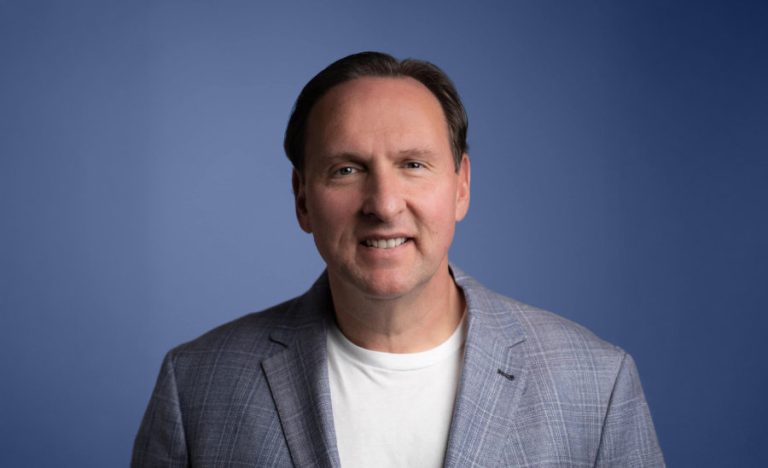
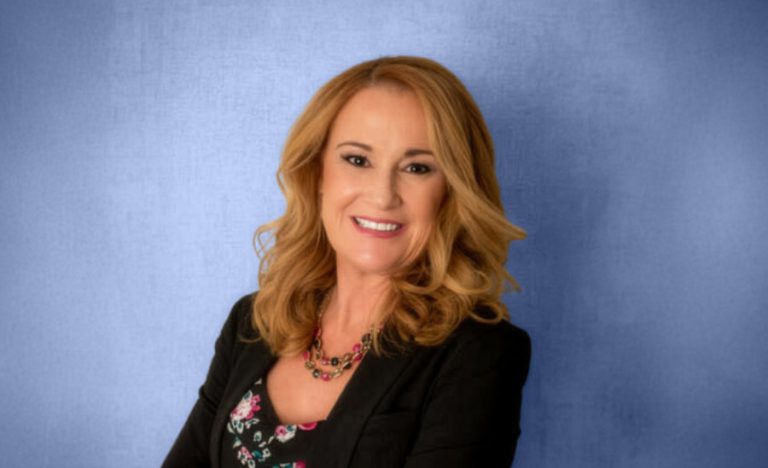
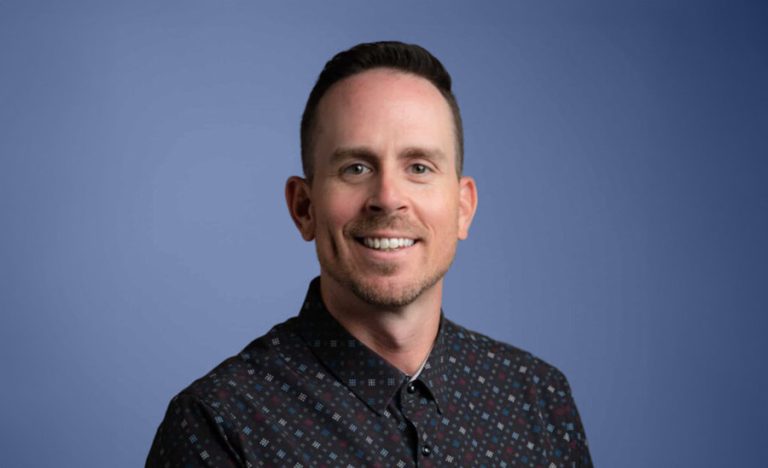
Meet Our Experienced Addiction and Mental Health Intervention Counselors


How our Addiction and Mental Health Intervention Services in Montana Help your Family, Help your loved one Want Help.
Families in Montana often call about a loved one using alcohol, methamphetamines, marijuana, and their concerns about mental health disorders. Our S.A.F.E.® Intervention Services in Montana and elsewhere primarily focus on the resistance to treatment and the behavior. An addiction, a mental health disorder, or a dual diagnosis is undoubtedly factored into planning the intervention, and it is more important for the treatment planning than it is for the intervention. Our intervention services help the family first, so we can all help your loved one together. Regardless of the diagnosis, your loved one needs help. Getting caught up in the primary diagnosis contributes to many waiting in a holding pattern. No clinician or mental health professional can accurately diagnose a mental health disorder when alcohol or drug use is present, even with minimal consumption.
Once your loved one is in treatment, the integrated treatment team can work with your loved one while we work with your family and the treatment center. The aftercare of our S.A.F.E.® Intervention Services is why people call us for help. When your family has come to the point of an intervention, your loved one is most likely not asking for help, wanting help, or being affected by the current situation. To help your loved one at this point, you need professional help. Upon completing the face-to-face meeting, we will meet with your loved one to try to move them out of the second stage of change. Whether they accept help or not, and they often do, we move your family into our S.A.F.E.® family recovery coaching and aftercare support. Depending on the outcome of your intervention, your family will be coached and guided on what to do next and how to never go back to the way things were before. If your loved one goes to treatment and your family does little to nothing differently, it is all but certain that things will go back quickly to the way they were. Keep in mind that we know you are trying far more than nothing. Doing things differently from what you have been doing can be much more effective. If your loved one refuses help and you cannot follow directions and hold boundaries so they can be held accountable, you will not only return to where you were, but you will also make it worse by giving your loved one more power.
Families in Montana and elsewhere need professional interventionist guidance and help. A family can’t therapize and educate themselves on where things went wrong and how to fix them. Our S.A.F.E.® Intervention Services can help your family and your loved one by helping you understand how things went wrong and why, along with helping you know what will happen if your family does not start doing things differently.
Initial Consultation
Our process starts with a phone call to our office. When the family agrees, we move to a family consultation call. We begin the assessment phase after the family has approved the intervention.
Arranging the Treatment Plan and the Logistics for the Intervention
The next step is arranging the treatment plan and the logistics for the intervention. Upon arrival, our interventionist utilizes our S.A.F.E.® Intervention and Family Recovery Coaching manual as a guide.
Face-To-Face Intervention
The following day is the face-to-face intervention with your family, the interventionist, and your loved one. Regardless of the outcome, your family will move into our S.A.F.E.® program for guidance and support. The S.A.F.E.® curriculum consists of weekly family meetings with several support groups offered throughout the week. One-on-one support is available and reserved for families actively engaged in our meetings and support groups. Families are assigned homework assignments to work on goals and process the work they do for themselves outside of the S.A.F.E.® curriculum.
Outside Work for Families
The outside work can include Al-Anon, Families Anonymous, CoDA, A.C.O.A. meetings, marriage and family therapy, and individual counseling. We also encourage families to participate in hobbies and self-care activities. The S.A.F.E.® Addiction and Mental Health Intervention Services and Family Recovery Coaching program is designed to help families take their lives back, regardless of whether their loved one agrees to accept your gift of a second chance at life.
Interventionist Resources and Information in Montana
People in Montana are aware of the limited resources for addiction and mental health intervention services and treatment. Like every other state, there are some options, and some areas give you little to choose from. Earlier in the article, we talked about the environment being one of the most important predictors of outcomes. The other significant factor is the client/counselor relationship. When someone in Montana, or anywhere in the world, chooses an interventionist who operates alone with no support team, you risk the interventionist being able to check all the boxes. There are several departments an intervention company should have and needs to have. There is the intake or coordination side, the interventionist who meets with your family and your loved one, and then the family aftercare support specialists. Choosing a local resource or a solo interventionist who takes on all these roles takes away almost every aspect of an intervention by way of clinical definition. Interventions are far more successful when performed by a team than in a small group of one, two, or three people.
For those still not convinced you need a professional team and insist on retaining the inexpensive, inexperienced local or solo person to talk your loved one into treatment, stop! You do not need to pay for that service. If you only want someone to talk to your family for a couple of hours, then invite your loved one to a local detox or treatment center that is a service available for free. By going to any of your local Alcoholics or Narcotics Anonymous meetings, you can ask the members to come and do that for free; it is called a twelve-step call. The approach will not help your family and will most likely leave you no better than you were after your loved one’s treatment, and it will accomplish what it is you sought to do.
Addiction and mental health intervention services require professionals and a team of them. You cannot do an intervention with one, two, or three people. Looking at our staff page, you will see several people, and there is a reason for that. Addiction and mental health interventions require strategizing and collaboration with your family and the treatment team where your loved one is attending. Too many people who call themselves interventionists or operate alone or with a few others are not interventionists and should not be charging you money. The amount of energy and effort it takes to help a family move forward with an intervention and then the amount of energy and effort it takes to support a family after an intervention takes a village. Professional interventions differ from the job of a one-, two-, or three-person team working out of their home who are coming to give your loved one a speech. You would not want your loved one to attend treatment this way, so do not allow the professionals who will help your family and your loved ones to operate this way.