
Service Areas
Addiction and Mental Health Disorder Intervention Services in North Carolina




Interventionists In North Carolina
Families in North Carolina are navigating growing challenges related to addiction and mental health. Family First Intervention provides a structured approach to intervention.
Our S.A.F.E.® program supports families in creating lasting change.


Our Team of Professional Interventionists and Family Counselors Deliver our S.A.F.E.® (Self Awareness Family Education™) Intervention & Family Recovery Coaching Program to North Carolina and Nationwide.
Since 2020, we have seen a shift in the substance of choice and a significant spike in mental health cases. The most common problems in North Carolina are addiction to Fentanyl, Methamphetamine, Marijuana, and Alcohol. Most of these cases are experiencing a dual diagnosis, meaning they have a substance use disorder and a mental disorder. For some, drugs and alcohol are causing mental health symptoms. For others, substance or alcohol use is a solution to self-medicate mental health symptoms. We often see severe mental disorder symptoms when the loved one uses Methamphetamines or Marijuana. With Alcohol and Fentanyl or other opiates, we observe various mental health symptoms as well. Whichever it is, professional help in North Carolina is available to assist your family and your loved one down the right path.
Waiting for your loved one to want help or hit bottom is a plan of inaction and rarely offers a solution to your family or the one with an addiction or mental health disorder. Our team of professionals serving North Carolina consists of Intervention Coordinators, Interventionists, and Family Recovery Coaches. Through our S.A.F.E.® Intervention Services, we help your family help your loved one. To only bring your loved one to a treatment center is to address only half of the affected people. The family has gone through emotional turmoil alongside their loved one with addiction and mental health struggles. One of our many goals, from our team of professionals, is to start a family and loved ones on a path to recovery. Families and their loved ones will never need more support than after the intervention is over. The family system will have difficulty adjusting to the significant change. Our mission is to help your family and loved ones through this change with as much support as possible.
Family First Intervention
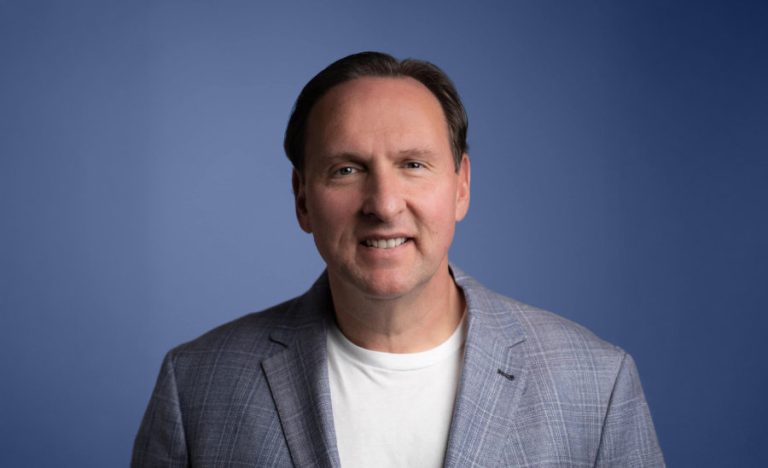
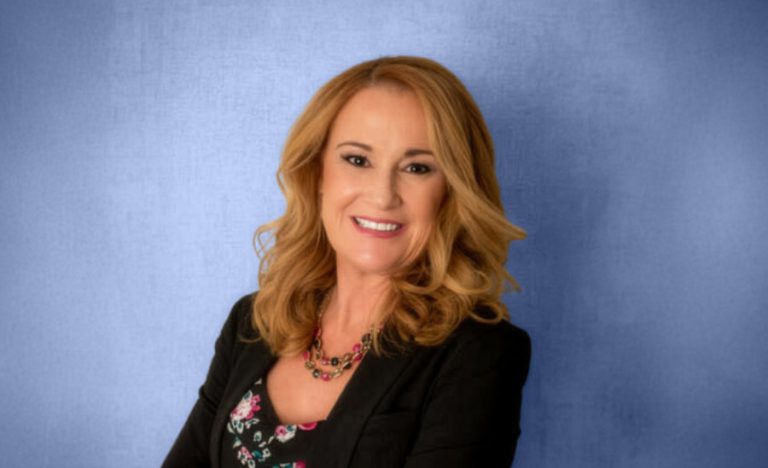
Meet Our Experienced Addiction and Mental Health Intervention Counselors
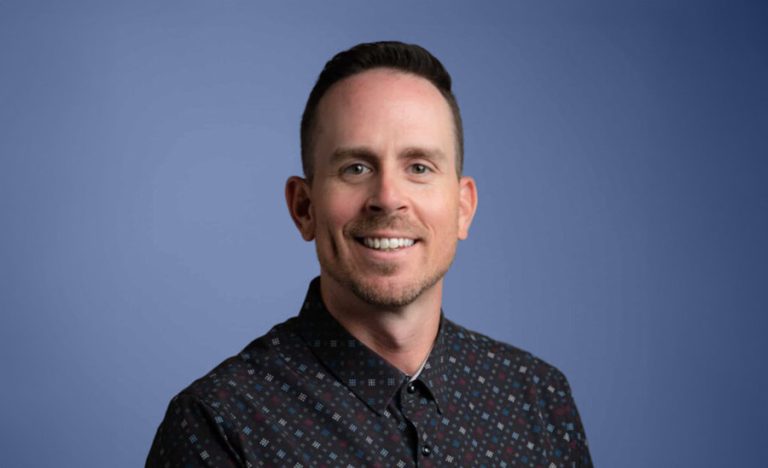

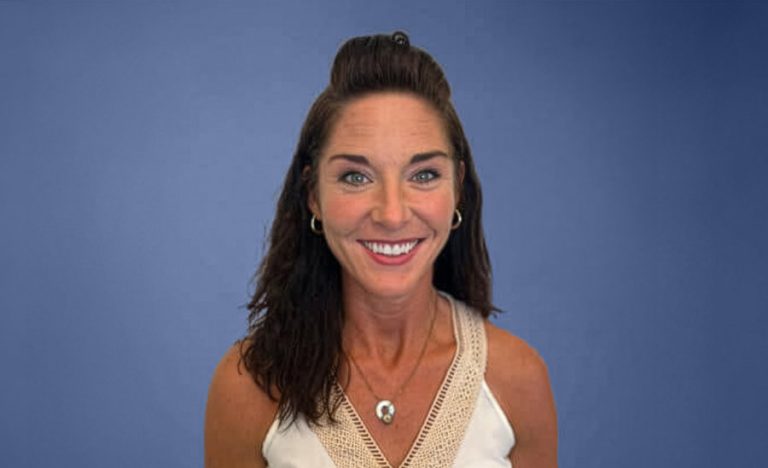

What our Addiction and Mental Health Intervention Services do for Families and their Loved Ones in North Carolina and Nationwide.
After enough time, the behaviors and maladaptive coping skills acquired to survive the loved ones’ addiction or mental health issues become the new normal. Families find it difficult to dig out of the hole their loved one has put them in, and that they have been allowed to climb into. Far too often, families are more fearful of trying something different than staying the same. We understand that and built our S.A.F.E.® Intervention Services program around these concepts. Plenty of interventionists in North Carolina and elsewhere will provide you with a perspective from the addict, alcoholic, or loved one with a mental health disorder point of view. What they are often unable to assist with, due to a lack of education and insight, is the psychology of the affected family system. Telling someone not to enable is easy; helping them understand why they enable and to do the work necessary to identify how not to enable any longer is easier said than done. Why are some family members on board with helping their loved ones, while others fight the solution? All of these behaviors stem from the development of an unhealthy family system.
Telling someone not to do something does not provide a solution. Many of you know that when you tell someone with an addiction or mental health disorder not to do something, they often do the opposite. Families are the same way. Unless you are educated, coached, and counseled on how your family arrived here, you will inevitably return to where you started. If we only told our loved ones not to drink alcohol, not to use drugs, or to stay medication compliant for their mental disorder, would that be enough? Treatment for addiction and mental health is an inside job, not a don’t do this, do that speech. Interventionists in North Carolina and across the country are not well-versed in this perspective and, therefore, cannot pass it on to you. Many interventionists may not have enough staff members and resources with a comprehensive family curriculum to assist. Families in North Carolina have choices. It is essential to consider the family’s recovery in these choices.
Initial Consultation
Our process starts with a phone call to our office. When the family agrees, we move to a family consultation call. We begin the assessment phase after the family has approved the intervention.
Arranging the Treatment Plan and the Logistics for the Intervention
The next step is arranging the treatment plan and the logistics for the intervention. Upon arrival, our interventionist utilizes our S.A.F.E.® Intervention and Family Recovery Coaching manual as a guide.
Face-To-Face Intervention
The following day is the face-to-face intervention with your family, the interventionist, and your loved one. Regardless of the outcome, your family will move into our S.A.F.E.® program for guidance and support. The S.A.F.E.® curriculum consists of weekly family meetings with several support groups offered throughout the week. One-on-one support is available and reserved for families actively engaged in our meetings and support groups. Families are assigned homework assignments to work on goals and process the work they do for themselves outside of the S.A.F.E.® curriculum.
Outside Work for Families
The outside work can include Al-Anon, Families Anonymous, CoDA, A.C.O.A. meetings, marriage and family therapy, and individual counseling. We also encourage families to participate in hobbies and self-care activities. The S.A.F.E.® Addiction and Mental Health Intervention Services and Family Recovery Coaching program is designed to help families take their lives back, regardless of whether their loved one agrees to accept your gift of a second chance at life.
Not All Addiction and Mental Health Intervention Services Are The Same
Interventions have been around for a very long time. Intervention is a clinical instrument utilized by counselors, therapists, doctors, psychiatrists, and mental health and addiction professionals. Interventions are strategies used to meet the goal of addressing and correcting a problem or behavior. Since the inception of the television show Intervention, interventions have become a speech or a contentious meeting between the family, the interventionists, and the intended patient. The intervention show is not an intervention; unfortunately, it is a common belief in society that it is. Interventions are not speeches or paid twelve-step calls. They are strategies trained professionals use to help the family and their loved one down the most effective path of recovery.
Whether your family or your loved one is in North Carolina or anywhere else in the country, Family First Intervention can and will help. Our S.A.F.E.® Intervention and Family Recovery Coaching program guides your family and loved ones down evidenced-based treatment paths. Hiring an interventionist who is one person with no support staff is just replicating the show, which is not an intervention; it is a paid twelve-step call or speech. Hiring an interventionist that will only tell you what not to do and can’t articulate why you do it is not an intervention; they are just repeating what many have told you already. For families at their bottom and ready to ask for or accept help, an intervention that addresses the entire family system is your answer. If you’re only interested in your loved one going to treatment again and nothing else, then the solo or coached interventionist is your answer. We have tried both, and there is a reason why we do things differently. If we do not address the whole problem, we leave too many open doors for things to return to where they started. Your family deserves more, and your loved one does too.