
Service Areas
Addiction and Mental Health Disorder Intervention Services in Texas



Interventionists In Texas
Families across Texas are facing increasing challenges related to addiction and mental health. Family First Intervention helps families take decisive action.
Our S.A.F.E.® program focuses on accountability and long-term recovery.


Family First Intervention’s S.A.F.E.® (Self Awareness Family Education™) Curriculum provides intervention services and family support in Texas and nationwide for loved ones who need help addressing alcoholism, drug addiction, or a mental disorder.
One would think that the 2nd most populous state in the union would have full-scale intervention companies on every corner. It usually does not take long to realize that this is not the case in Texas and is the norm across the United States. Almost anywhere in the nation, you can find a solo interventionist to talk your loved one into treatment or a therapist with some working knowledge of addiction. What is often lacking is the ability of a team of addiction, mental health, and family system professionals to assist your family before, during, and after the intervention. It is one thing to have someone talk your loved one into treatment; it is another to have a team of professionals help keep them in treatment while assisting the family in staying grounded throughout the process.
Intervention services in Texas or anywhere else in the world lack the resources and number of professionals to fulfill the needs of what an intervention entails. Families will need far more support and guidance after the intervention than they did before and during the intervention. For most people calling about alcohol, drug addiction, or mental disorder interventions, this is not their first time seeking help for themselves or their loved ones. It is common for addicts, alcoholics, and those with mental disorders to cycle through various centers, hospitals, agencies, etc. On top of this merry-go-round, families often hear there is nothing they can do other than wait for their loved one to want help, ask for help, or hit bottom. We believe that through our S.A.F.E.® Intervention and Family Recovery Coaching program, we can help you make the adjustments needed to increase your chances of a better outcome for you and your loved one.
Family First Intervention
Meet Our Experienced Addiction and Mental Health Intervention Counselors

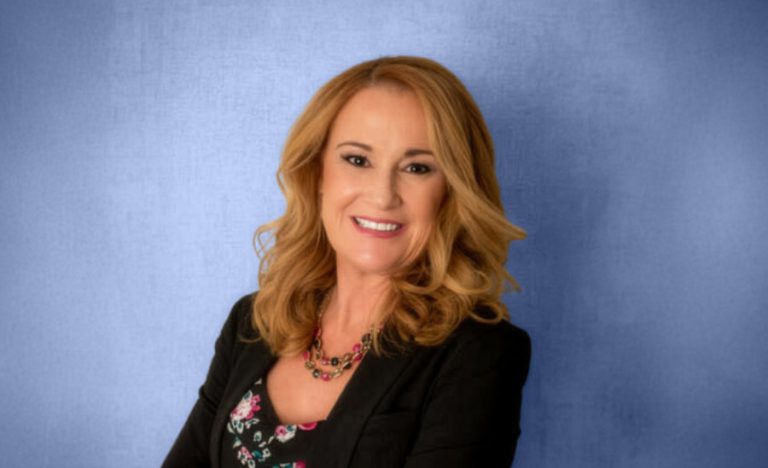
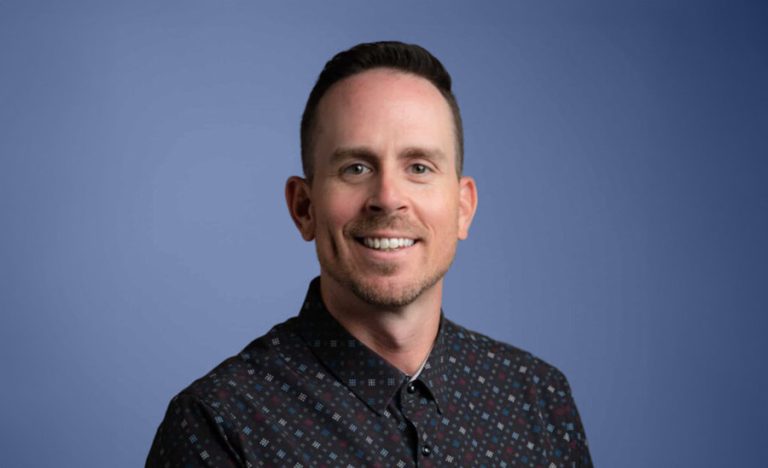

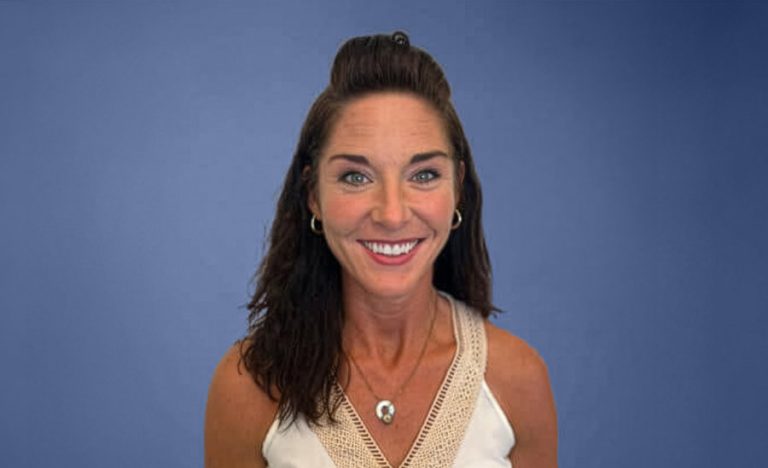

Family Support, Addiction, and Mental Disorders Intervention Services in Texas and Nationwide.
Someone must indeed feel some form of consequences before asking for help, which is stating the obvious. The question is, and should be, why do they not want help, and what is preventing them from feeling the consequences? The same principles apply if the family and their loved one are in Texas or elsewhere. If the loved one with an addiction or mental disorder does not see the need to address the problem, they won’t. We must look at what factors prevent your loved one and your family from doing something about the situation.
The second stage of change is when the I.P. or intended patient has to see that the benefits of doing something about their problem outweigh the benefits of doing nothing about it. Remember, all substance users and people with mental disorders want help. The problem is that they only want the support they feel is best for them. If a substance user did not want help, they would not be taking drugs or drinking alcohol. People take drugs and alcohol because they do not like how they feel. Using substances is a cry for help. Using substances to self-medicate mental disorders is a cry for help. Acting out mental health disorders or addictive behaviors is a cry for help. So it goes back to the original question: why won’t they seek help or accept help when offered?
Initial Consultation
Our process starts with a phone call to our office. When the family agrees, we move to a family consultation call. We begin the assessment phase after the family has approved the intervention.
Arranging the Treatment Plan and the Logistics for the Intervention
The next step is arranging the treatment plan and the logistics for the intervention. Upon arrival, our interventionist utilizes our S.A.F.E.® Intervention and Family Recovery Coaching manual as a guide.
Face-To-Face Intervention
The following day is the face-to-face intervention with your family, the interventionist, and your loved one. Regardless of the outcome, your family will move into our S.A.F.E.® program for guidance and support. The S.A.F.E.® curriculum consists of weekly family meetings with several support groups offered throughout the week. One-on-one support is available and reserved for families actively engaged in our meetings and support groups. Families are assigned homework assignments to work on goals and process the work they do for themselves outside of the S.A.F.E.® curriculum.
Outside Work for Families
The outside work can include Al-Anon, Families Anonymous, CoDA, A.C.O.A. meetings, marriage and family therapy, and individual counseling. We also encourage families to participate in hobbies and self-care activities. The S.A.F.E.® Addiction and Mental Health Intervention Services and Family Recovery Coaching program is designed to help families take their lives back, regardless of whether their loved one agrees to accept your gift of a second chance at life.
How our S.A.F.E.® Alcoholic, Drug Addiction, and Mental Health Disorder Intervention Services can Help
We work with families to help identify any factors that may or may not be contributing to your loved one wanting or not wanting help. Family Recovery is a large piece of our curriculum. Until your family has some insight and formulates new strategies for communication and coping, it isn’t easy to help yourself or your loved one.
Families in Texas and nationwide can benefit from our nationwide intervention services. Whether your whole family is in Texas or spread about the country, our ongoing family support services are available regardless of where you are after the in-person intervention.